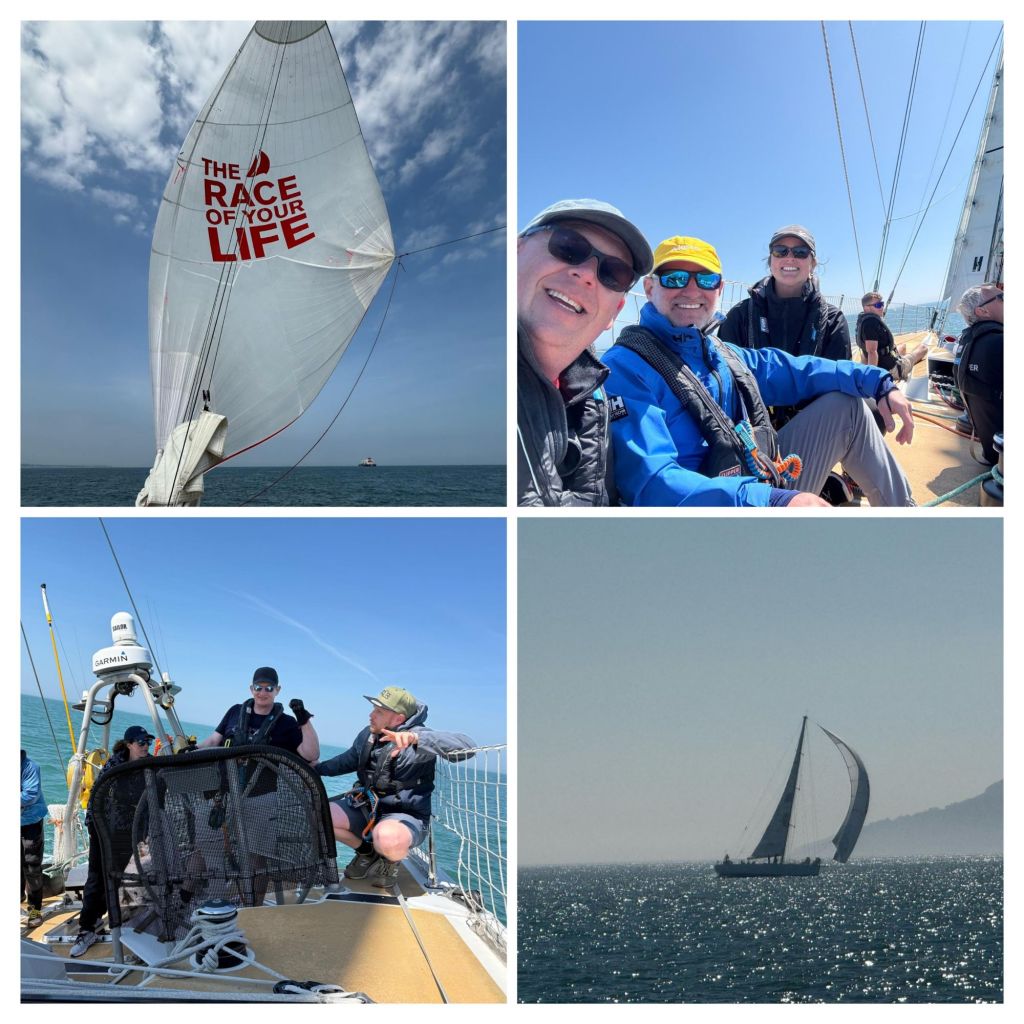
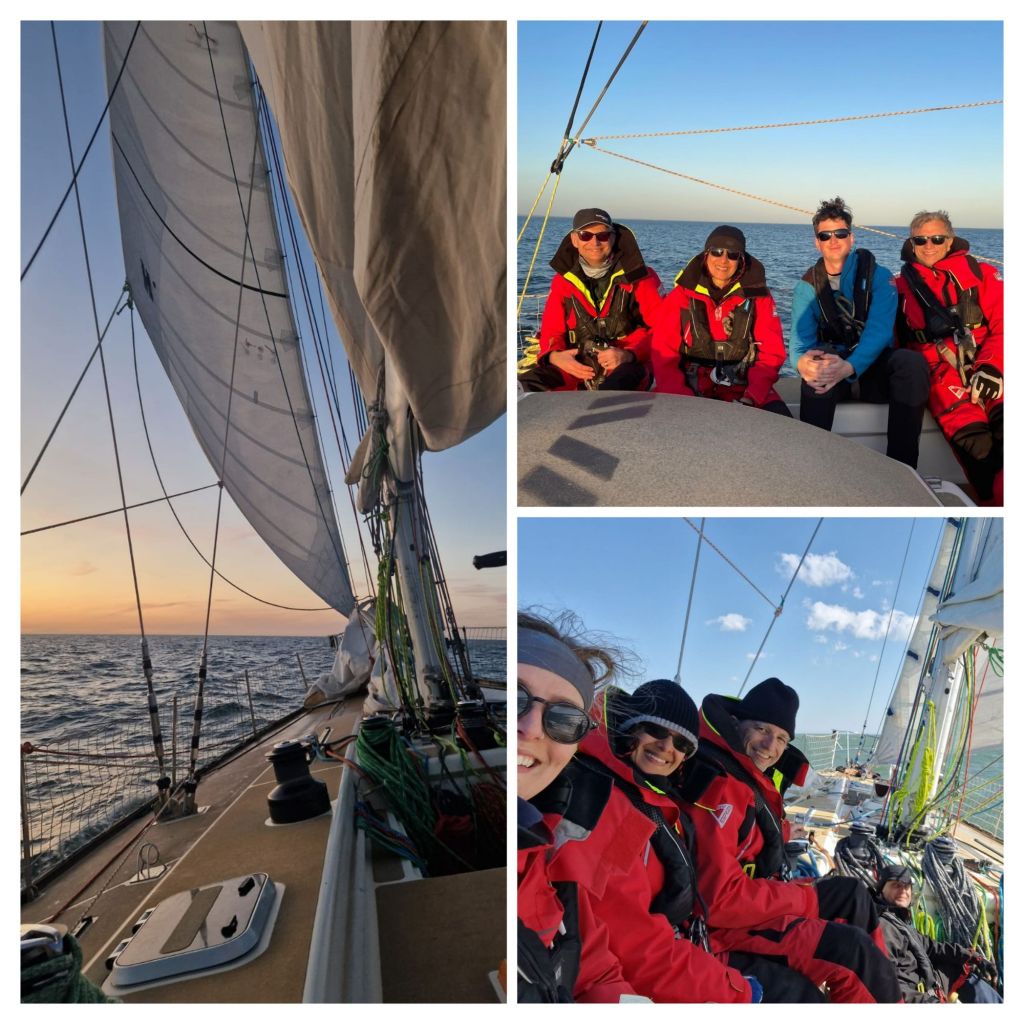
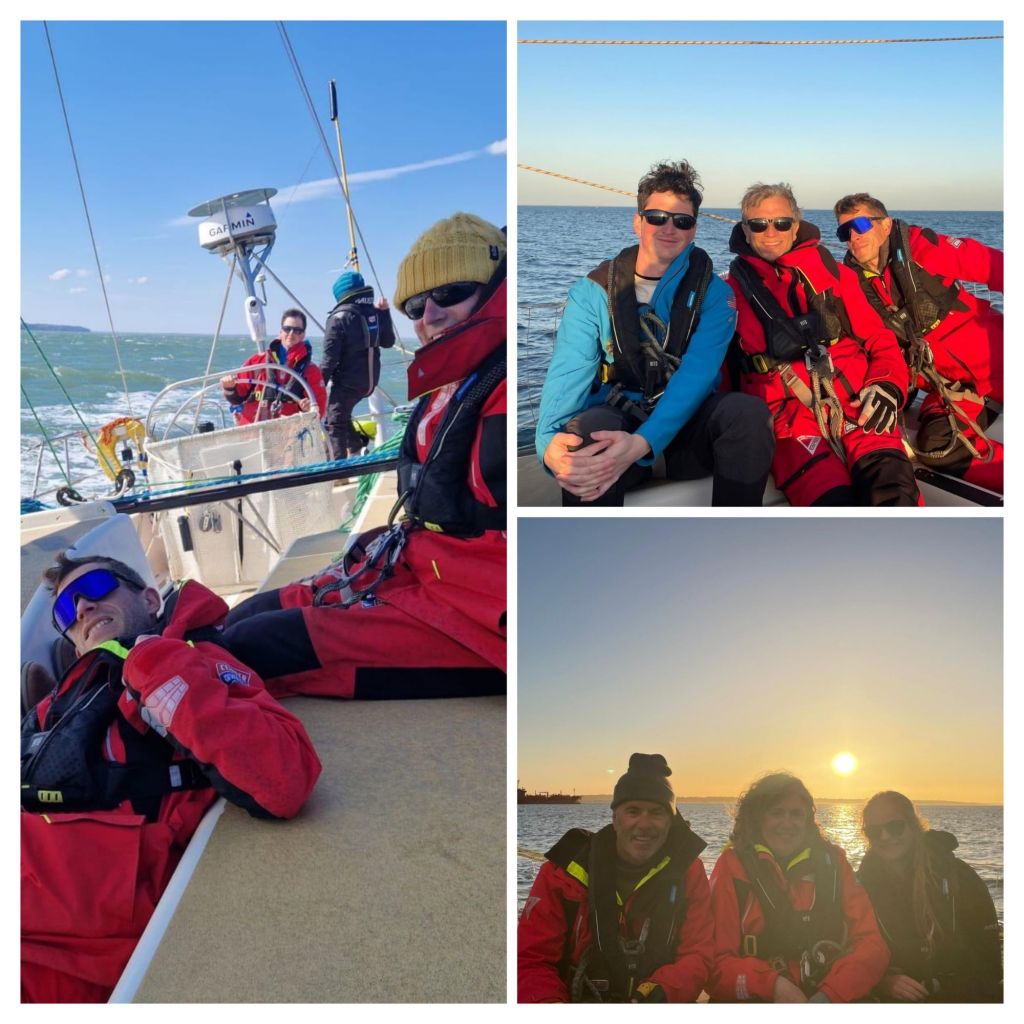
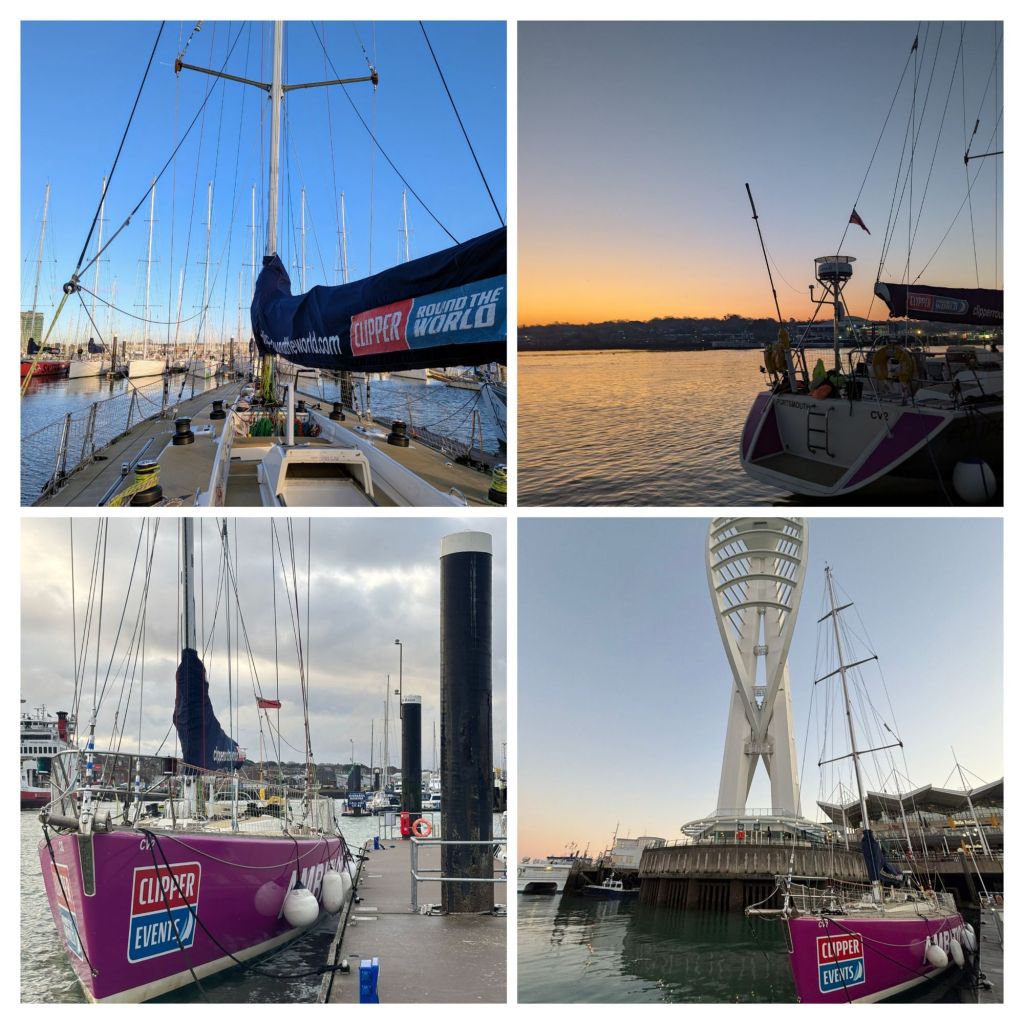
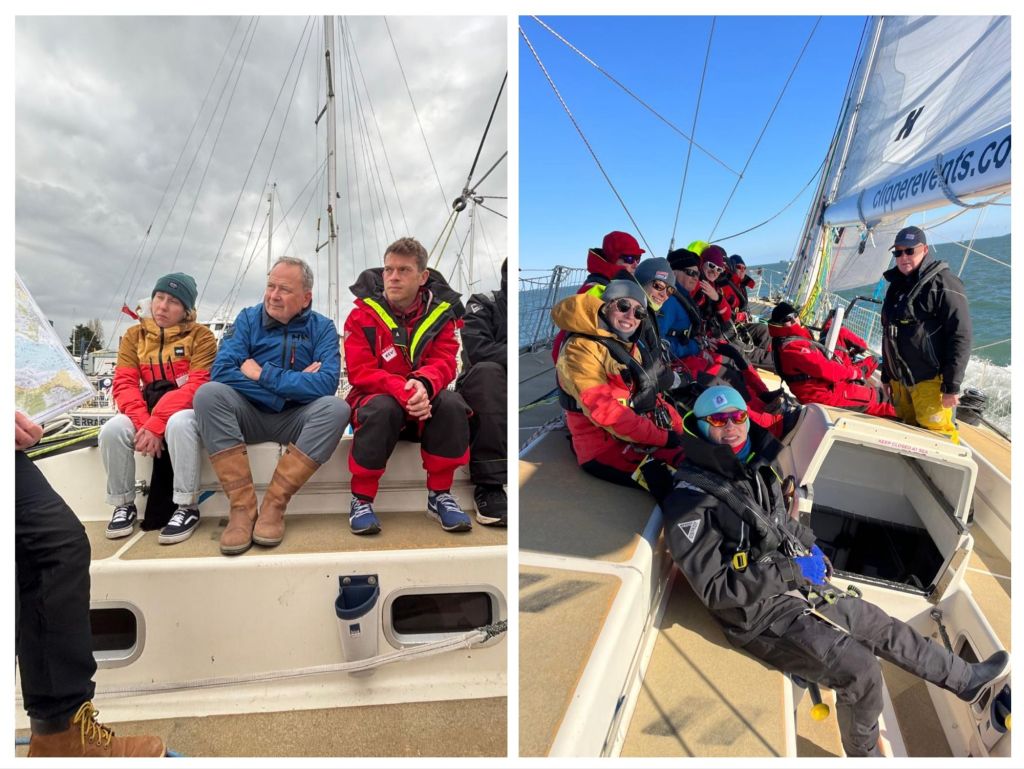
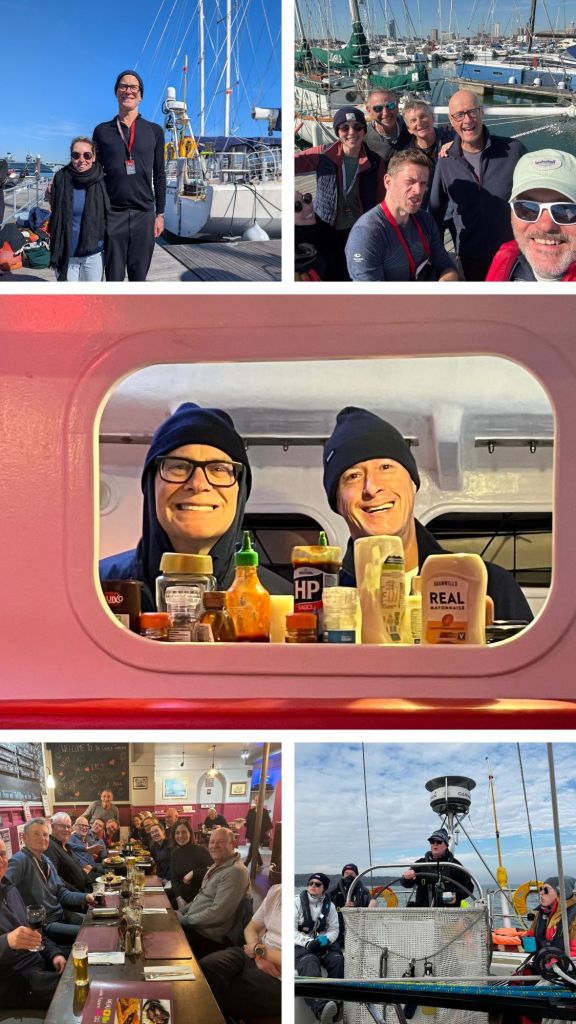
• It’s race day. After months of training, preparation, and countless lists ticked off, the boat is finally ready to go. Our team has been given a name: Team Tongyeong — after one of the upcoming race stopovers, and the very first time the Clipper Race will visit South Korea.

    Then came the announcement: Thomas and I were chosen as watch leaders. The youngest crew member in the entire race, and me — the guy who had never stepped onto a sailing boat before all this began. A pretty surreal moment. I felt proud for us both, knowing how far we’d come.

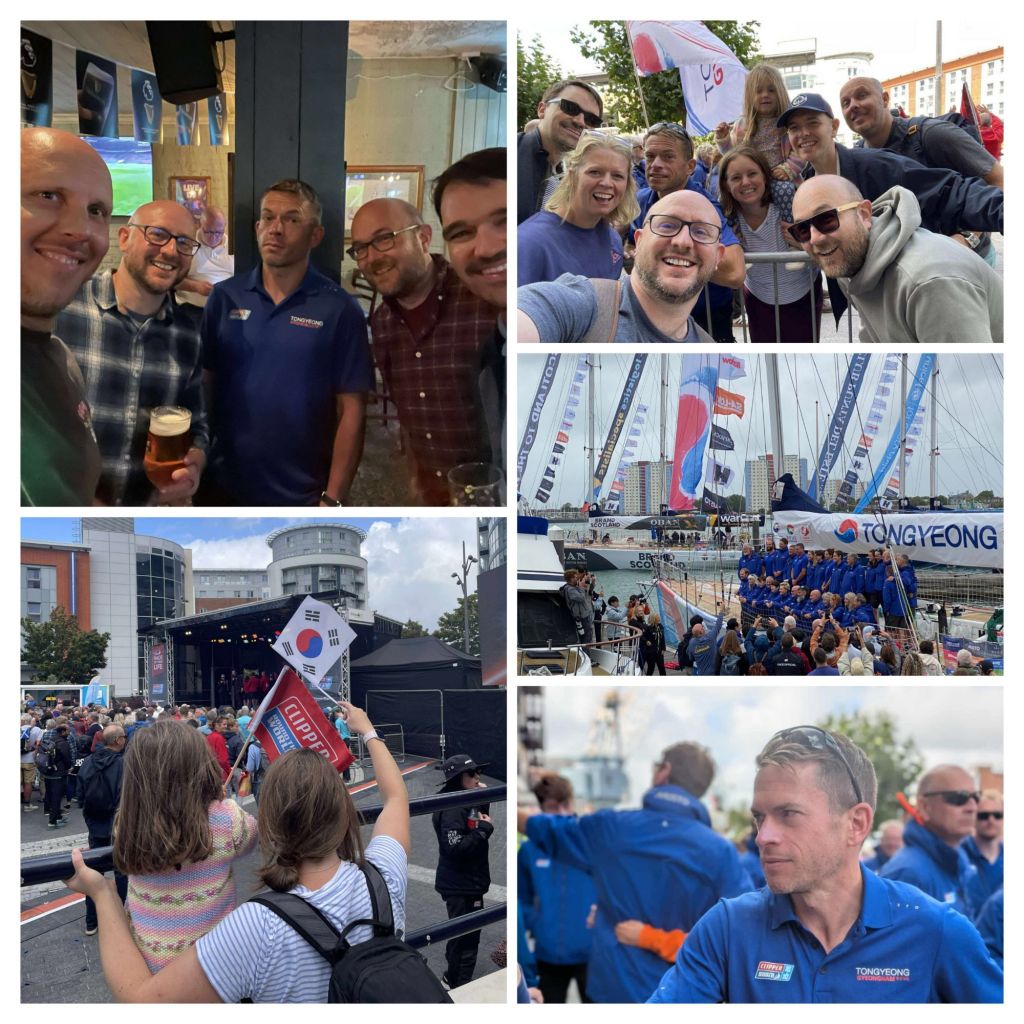
    Family and friends gathered at Gunwharf Quays to see us off, and emotions were running high. There was still a full schedule before we could leave the dock, though.

    The morning began with a surprise phone call from the Clipper media team: would I like to do a live interview on BBC Breakfast News? Absolutely. A quick dash down to the dock later, I was chatting alongside Hannah and Millie from Team Scotland. (I’ll drop the link in here once it’s up.)

    Back onboard, we went straight into photoshoots and the traditional parade of the teams around the quayside, before stepping up on stage to our team song — a moment that felt both celebratory and surreal.

    Then came the hardest part: the goodbyes. Hugging everyone who had come to wave me off, I realised just how much support I have behind me. There were plenty of tears (mine included), but strangely I still felt calm about what was ahead.

    It’s hard to put into words how grateful I am for everyone who came down to wish me well. I’ll carry those goodbyes with me across the oceans. See you all in eleven months.
    20251217_205738-collage4731157957921698256

    From Parade to Plunge

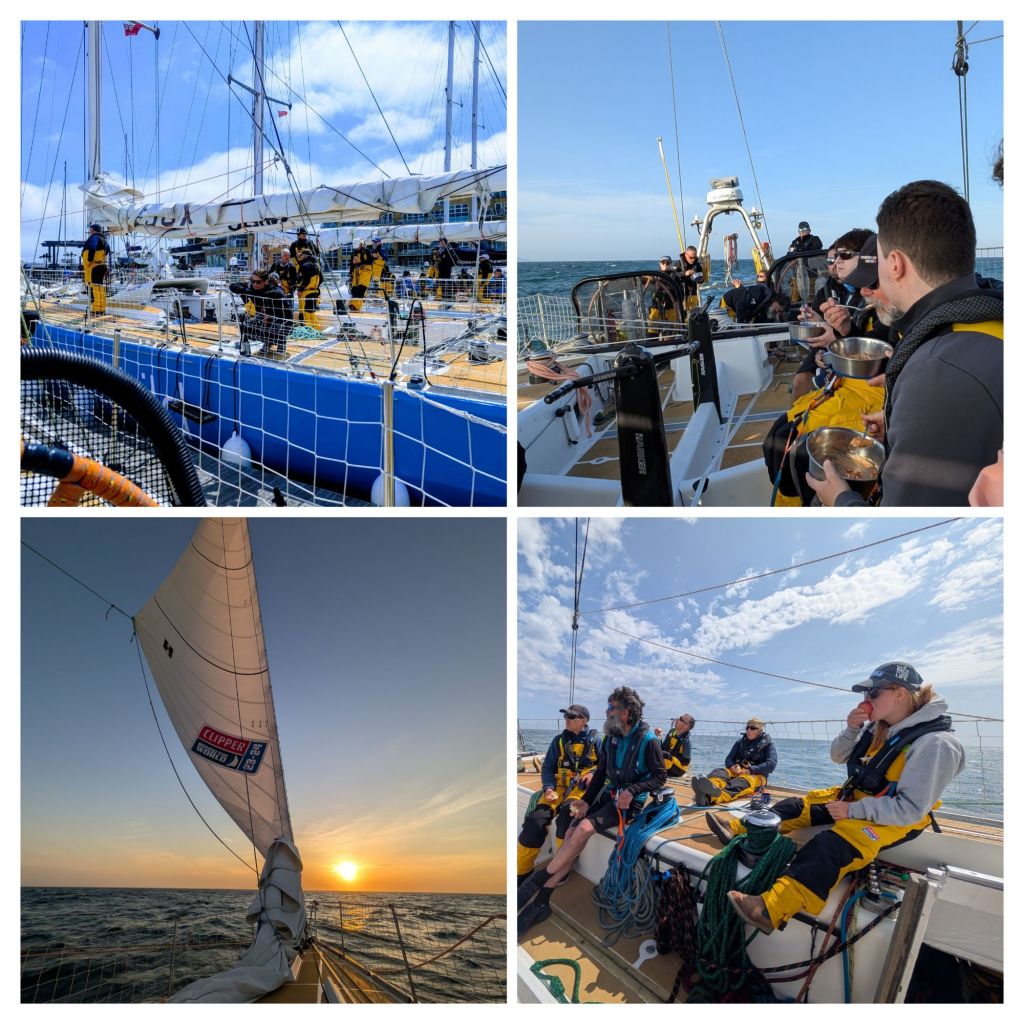
    After the goodbyes, it was time to slip lines and head out of Portsmouth. The docks were packed, music blaring, and our team joined the Parade of Sail, waving to the crowds lining the quayside and seafront. It felt like a festival atmosphere, but underneath the cheers was the knowledge that this was it — the beginning of eleven months at sea.

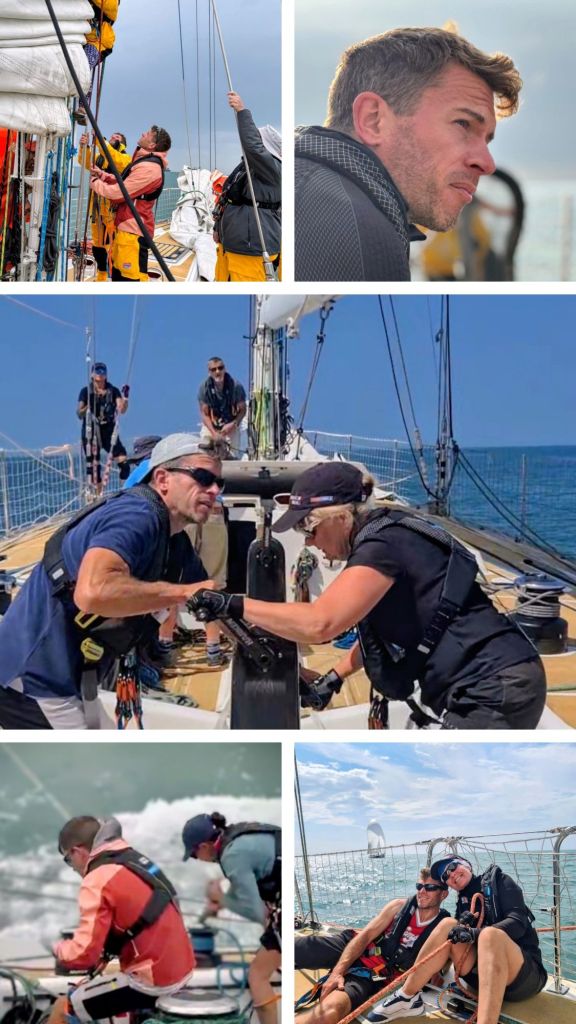
    Once we cleared the Solent, we lined up with the rest of the fleet for the race start. Suddenly the mood shifted. No more waving, no more fanfare — it was game faces on. All the boats were jostling for the best position, sails snapping as we tacked back and forth across the line.

    When the horn sounded, it was chaos in the best way. Both headsails went up, and although we were last off the line, we quickly made up ground, overtaking two boats as we charged towards the first marker. The adrenaline was pumping.

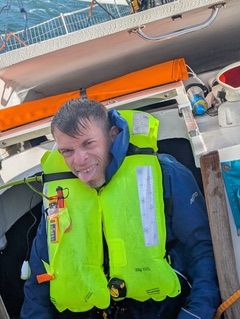
    That’s when it got a little too lively. As we gybed around the mark, I was on the low side, working on the foreguys. The boat was overpowered, and before I knew it, I was completely submerged. For a moment, I wasn’t entirely sure where I was — but I was still holding on.

    My lifejacket automatically inflated, much to the alarm of the crew in the cockpit. I managed what can only be described as a turtle roll back along the deck before scrambling into the cockpit, dripping wet but grinning. In fact, I didn’t even realise until then that my lifejacket had gone off.

    Soaked through, slightly dazed, but still buzzing with energy, I was just glad to be back on deck and laughing about it. One thing was clear though: I’d better sort out a new lifejacket before we got too far.
    pxl_20250831_155308521925936280982514249

    Baptism by Biscay

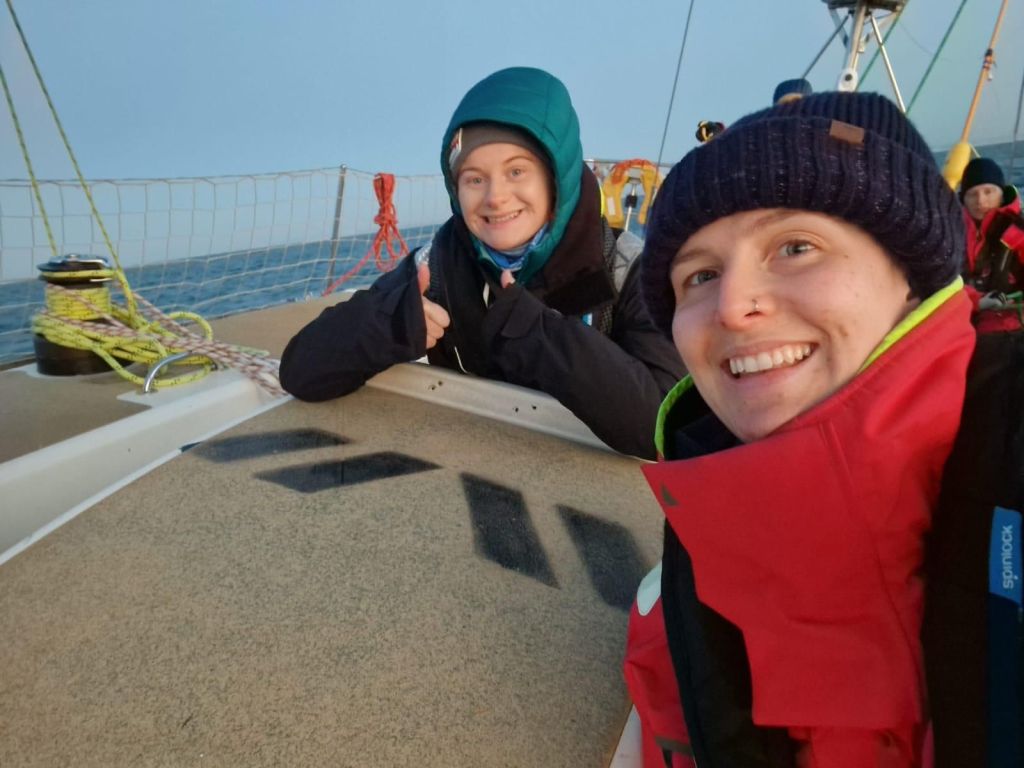
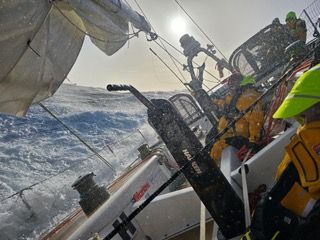
    The first couple of days at sea took us out of the English Channel and straight into the notorious Bay of Biscay. It didn’t waste any time showing us what it’s famous for — big seas, strong winds, and conditions rough enough to take out a good portion of the crew with seasickness. Buckets and bunk time became hot commodities.

    Somehow, I was still standing. No seasickness for me yet, which made it easier to throw myself into the role of watch leader. It was a new challenge — making sure everyone kept on top of their duties, helping run evolutions on deck, and trying to stay one step ahead of the weather, all while still learning the endless ins and outs of sailing an ocean-going yacht.

    The weather was wild, but I loved it. I was getting more confident on the helm, learning to ride the waves instead of fighting them, and testing myself against winds that sometimes blasted up to 40 knots. Every shift behind the wheel felt like a lesson in control, trust, and adrenaline.

    It was chaotic, exhausting, and wet — but it was also exhilarating. Biscay had shown its teeth, and for now, I was holding strong.
    Highs, Lows, and Mast Climbs

    Biscay didn’t just throw rough seas at us — it tested us in plenty of other ways too.

    Chris took a bad fall coming down the companionway, twisting his ankle and hitting his head. It was a hard blow, and although he tried to keep going, he had to sit out for the rest of the week. In the end, he made the tough but sensible decision to step off in Puerto Sherry. The plan is for him to rejoin us in Punta del Este and carry on with the race from there.

    Others weren’t spared either. Geoff cracked his nose on the coffee grinder in the cockpit, and Gavin went down hard near the helm, landing on his back. Thankfully, both managed to carry on. It was a reminder that the boat doesn’t just challenge you — it punishes lapses in focus.

    The gear took a beating too. At one point, our Yankee car snapped off, threatening to throw the sail plan into chaos. Lou and Brian came up with a brilliant quick fix: rigging a low-friction ring and lashing it down. It held — another example of teamwork and quick thinking keeping us in the race.

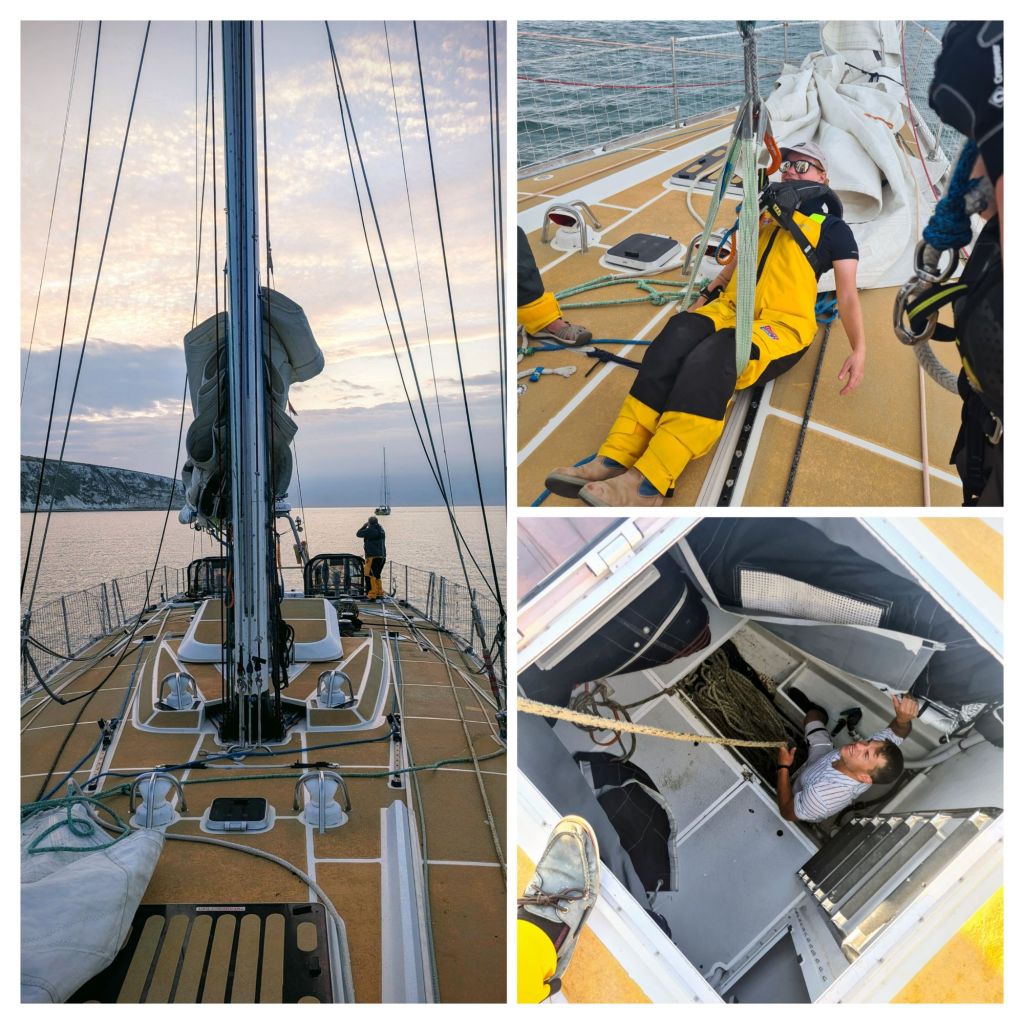
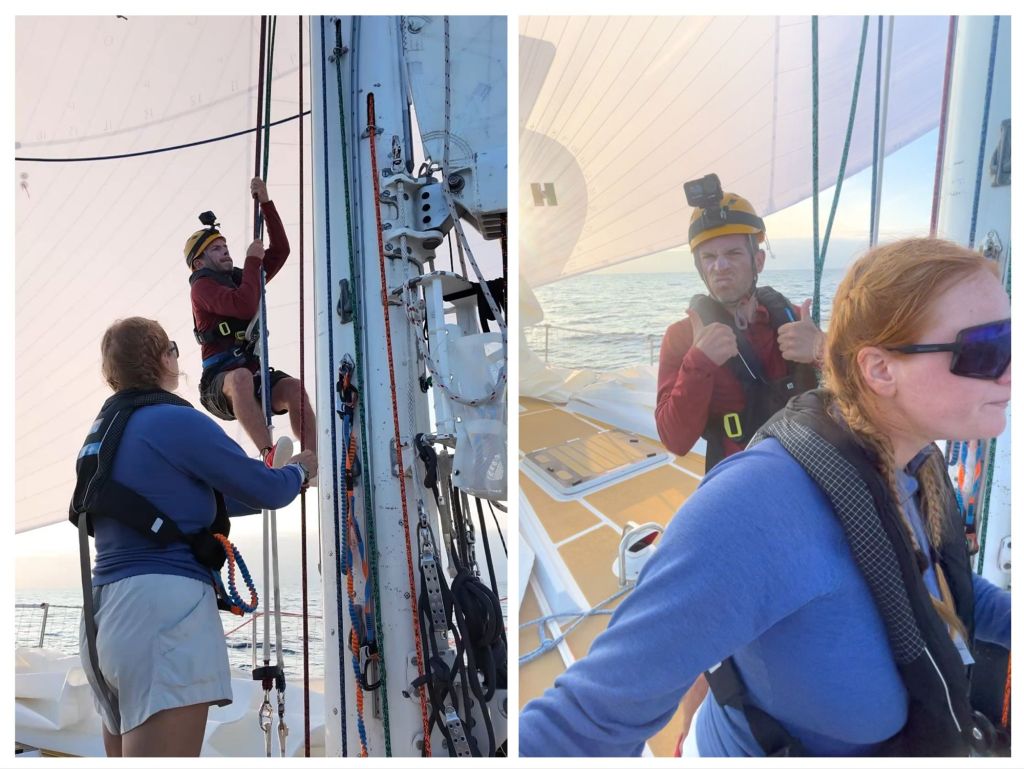
    Not everything could be solved from deck level, though. On one tack, the lazy Yankee sheet wrapped itself around the active one. The only way to free it was to go aloft. Harness on, clipped in, and I was hoisted while climbing the live sheet itself. It was a fight against the pull, but I got it sorted.

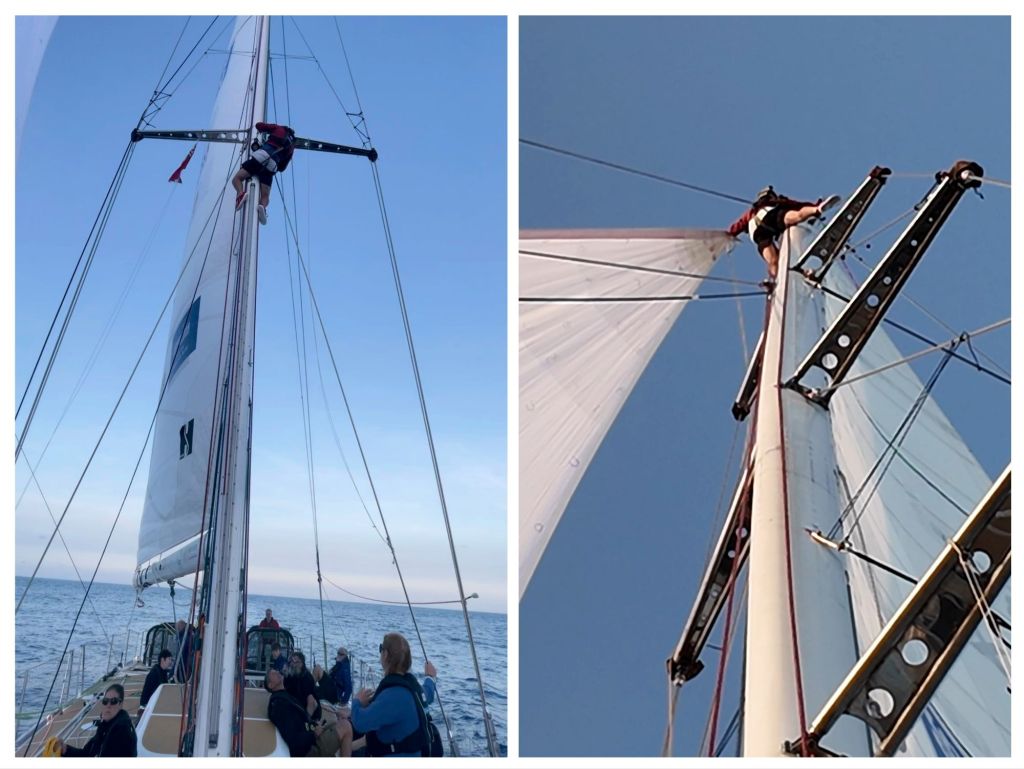
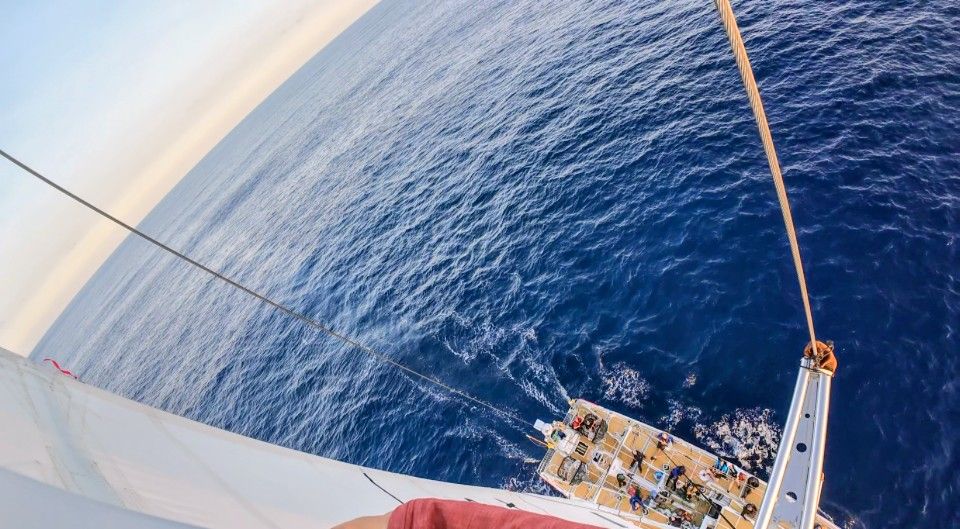
    Then came my first trip to the top of the mast. A spinnaker quick-release line had jammed at the head, and someone had to go up. That someone was me. Halfway up, clinging on while the mast swayed under sail, I had a brief moment of what am I doing here? But then I settled into it, found my rhythm, and kept climbing.

    The view from the top was something I’ll never forget — the endless sea stretching in all directions, the deck a long way below, the boat slicing through the waves. I freed the line, took one last look around, and came back down buzzing.

    These moments — fixing, climbing, improvising — were things I never imagined myself doing before this race. Each challenge reminded me why I signed up: to push myself into the unknown and find out what I was capable of. And so far, Biscay was delivering exactly that.
    Chasing Points and Chasing Boats

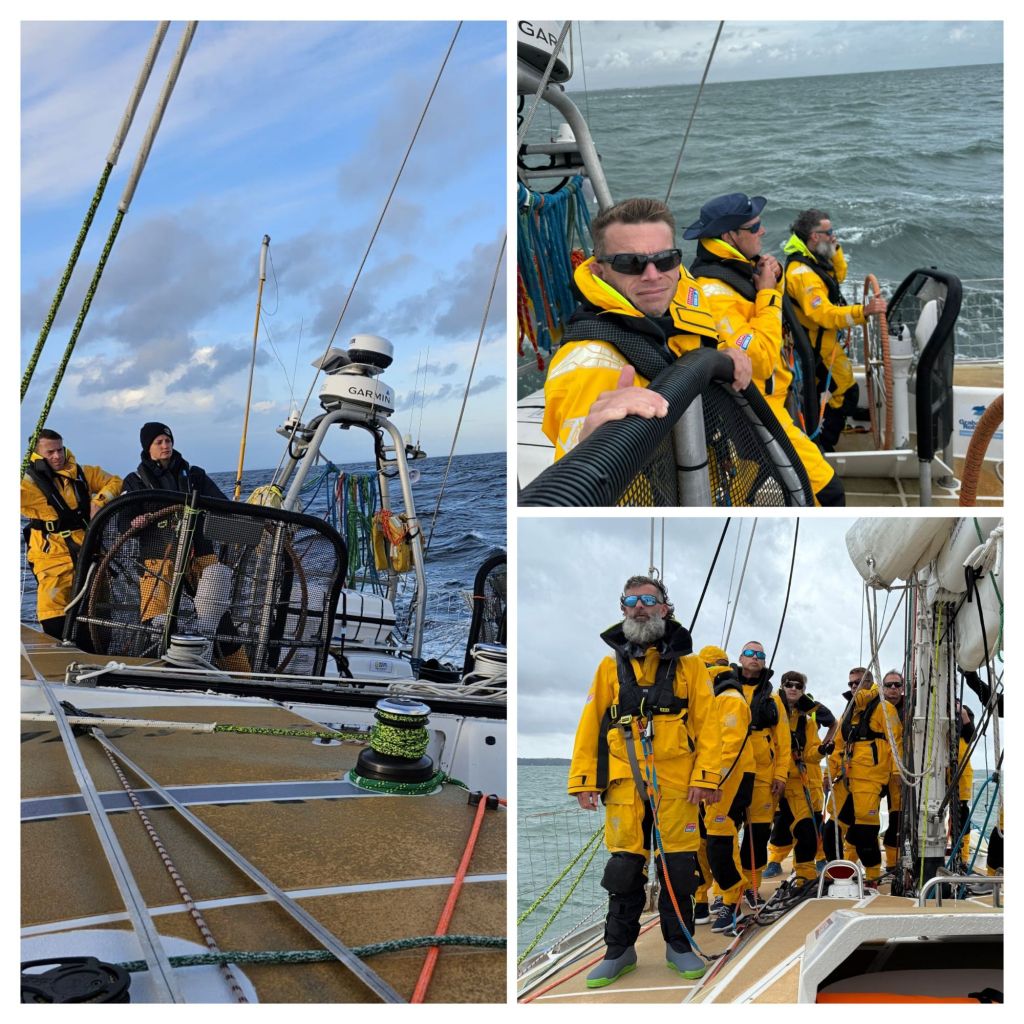
    Through the eastern edge of Biscay, we had our eyes on the scoring gate. The first three boats through would earn bonus points, and we pushed hard to get there. Hours of trimming, grinding, and focus went into it. When results came in, we discovered we’d finished 4th — agonisingly close, but just outside the points. Still, it showed us what we were capable of.

    The next opportunity came with the Ocean Sprint. It isn’t a side race you sail separately — just a timed stretch where the fastest three boats get points. This time, we nailed it. Our push paid off and we ended up 2nd fastest overall. That result was huge for team morale, and a reminder that our boat had real pace when we got everything right.

    For much of the leg we were towards the back of the fleet, but steadily catching up. Rounding the south of Portugal, we started to close the gap. Then news came through that Unicef had strayed into the orca exclusion zone and were handed a six-hour penalty. On the water we were sitting in 8th place, but with their penalty we effectively moved up into 7th.

    It might not sound like much from shore, but out here every gain counts. Each position is fought for mile by mile, watch by watch. And now, with points on the board and momentum building, belief on board was stronger than ever.
    Whipped Feta and a Spinnaker Swim

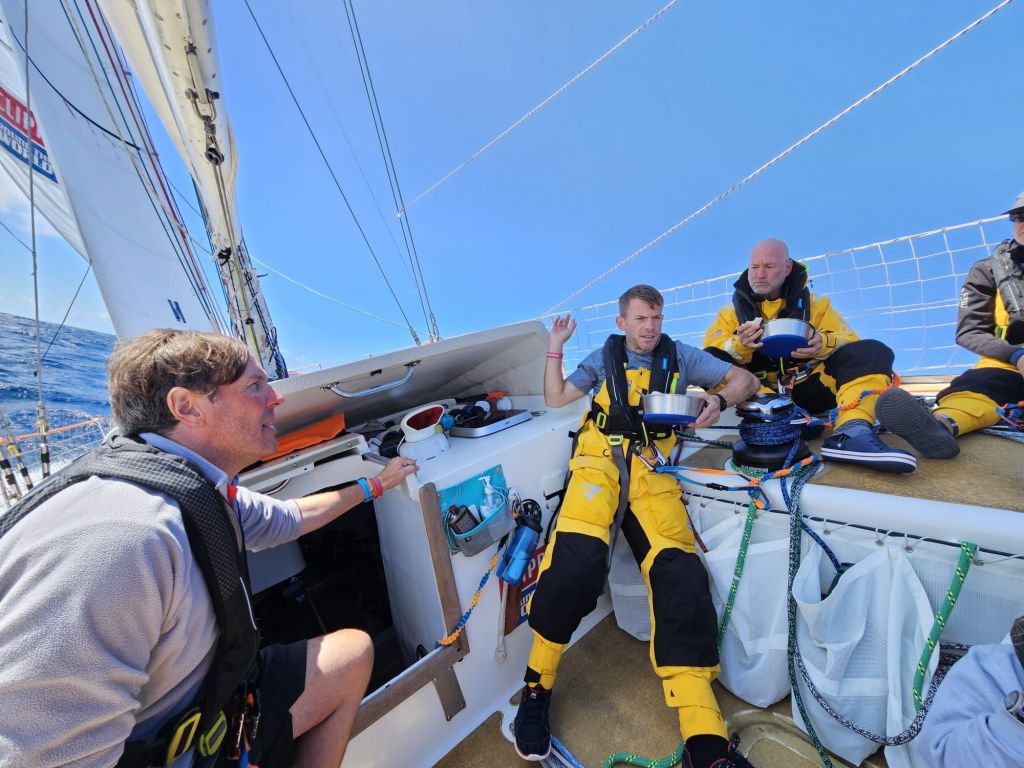
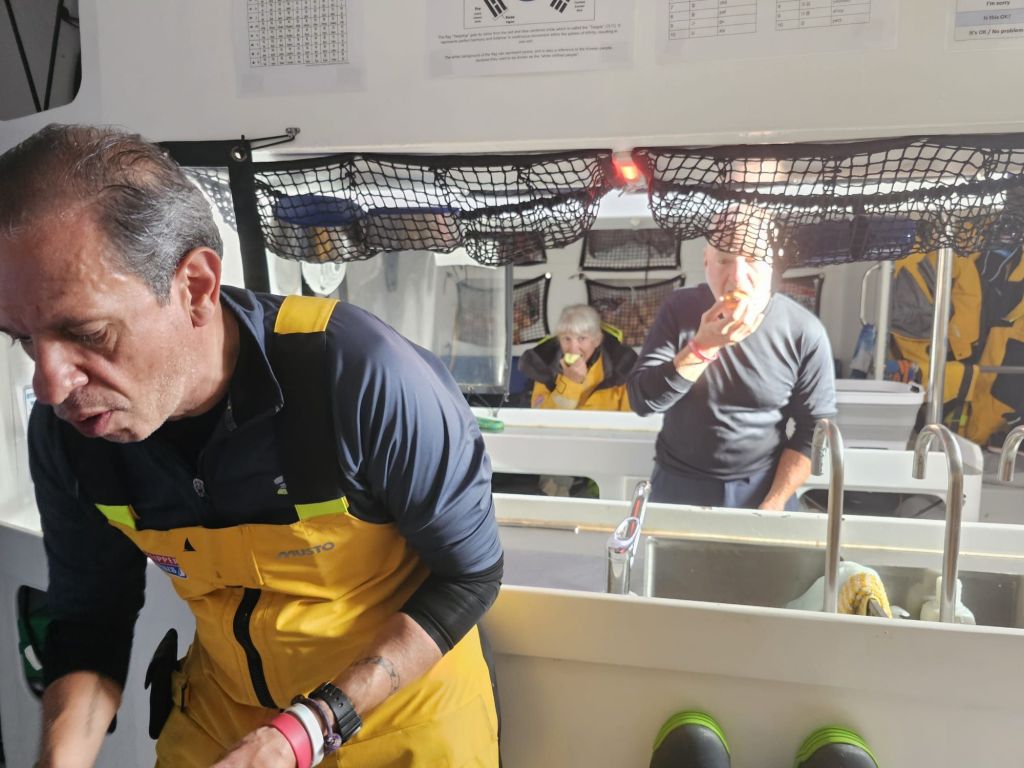
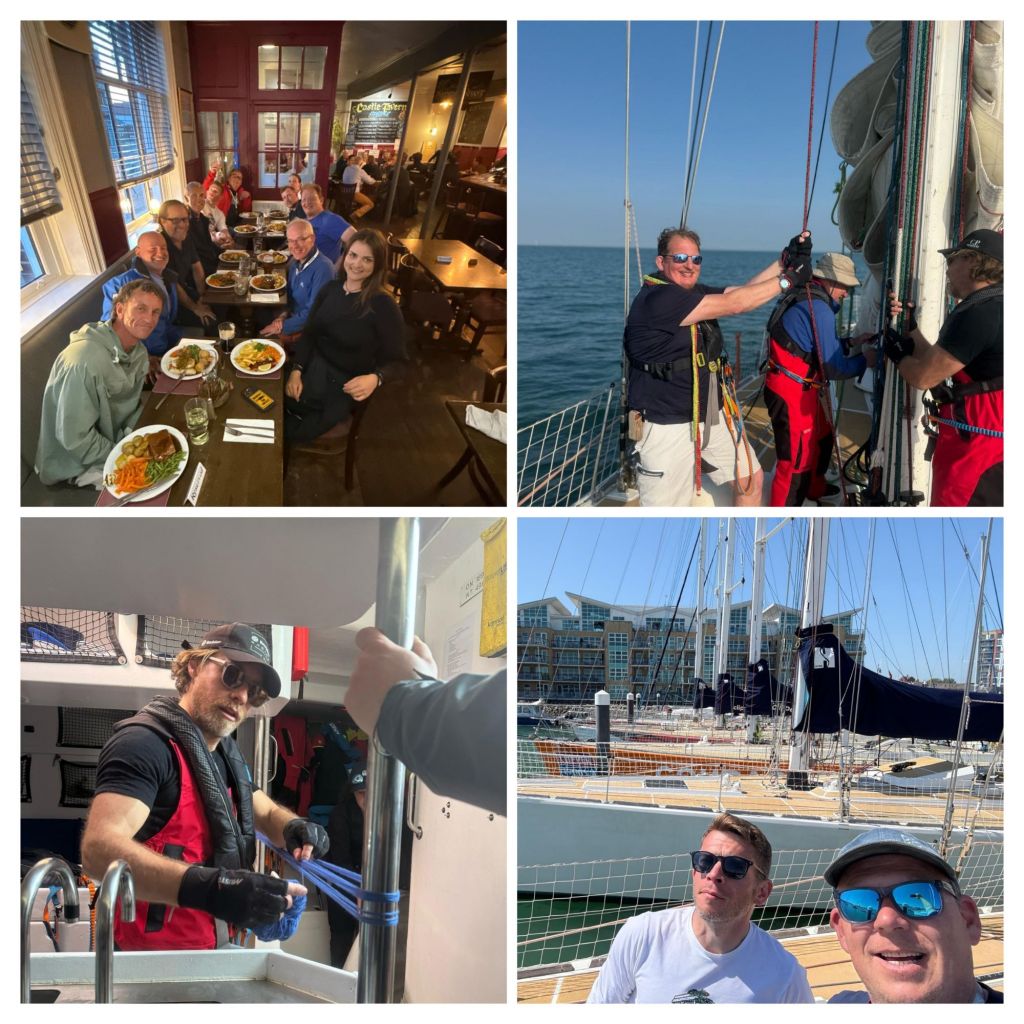
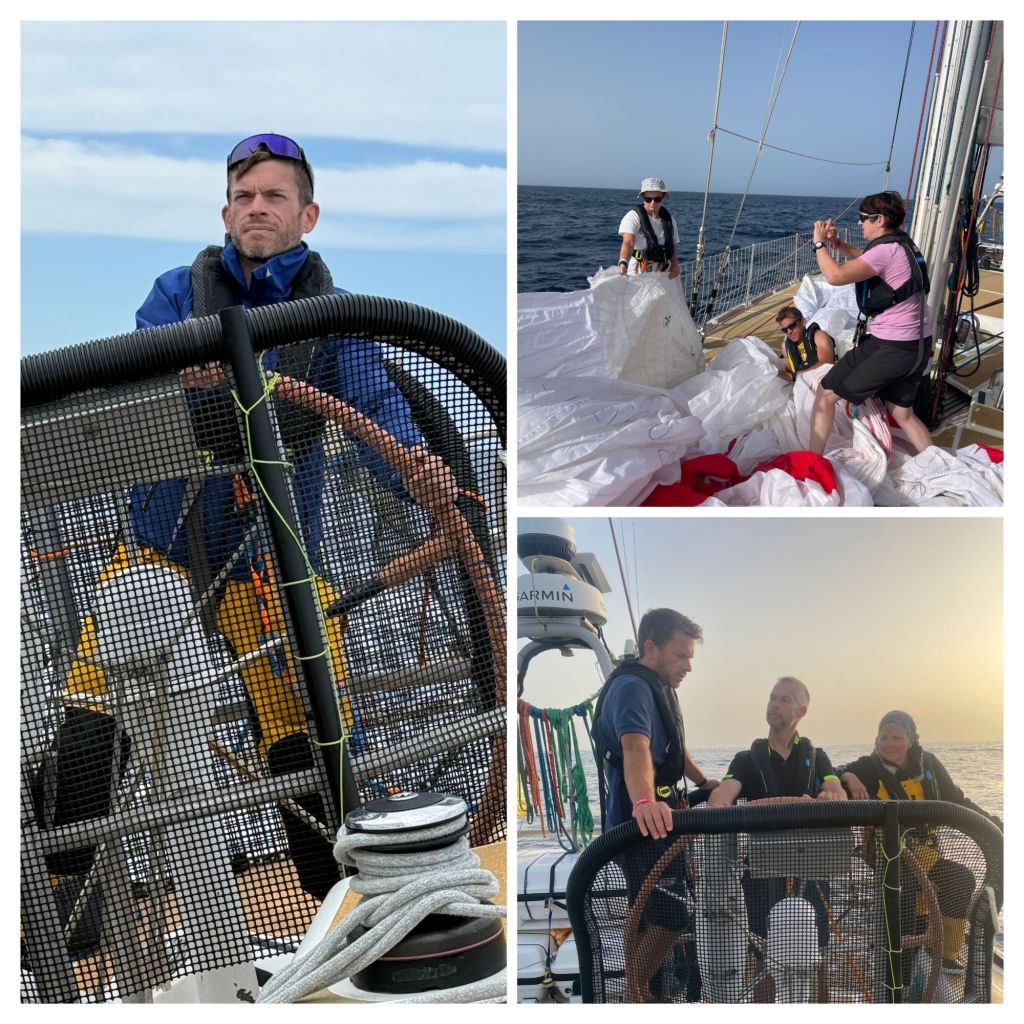
    Eventually, it was Thomas’ and my turn on galley watch. Cooking at sea is its own kind of challenge — everything sliding around, pots threatening to leap off the stove, and a constant queue of hungry sailors waiting for food.

    For lunch, we decided to get a little creative: a hearty lentil and squash soup, spiced up with what we had in the locker. On a whim, we tried something new — whipping feta with a splash of milk and oil until it turned creamy. Dolloped on top of the soup, it went down a treat.

    But there was still plenty of feta left. I looked at Thomas and said, “We could make dessert out of this.” So we spread it onto bread, added a layer of jam, rolled it up like a kind of makeshift roly-poly, and served it. To our surprise, it was delicious — and it even made a little splash on the Clipper media channel. Not bad for a couple of watch leaders moonlighting as chefs.

    Dinner was supposed to be a Thai green curry — except we didn’t have any Thai curry paste. Improvisation time again. We threw together a fragrant curry with what we could find, but just as it was coming together, the call came: “All hands on deck!”

    The spinnaker needed to come down, and Thomas and I ended up out on the bow in nothing but t-shirts and shorts. Within seconds we were drenched. Then came the real problem — a ping from above as the spinnaker halyard blew at the top of the mast. Suddenly, our spinnaker was in the sea.

    Luckily, the whole crew was already on deck. Together, we hauled the massive, waterlogged sail back onboard — not exactly the textbook way to do a spinnaker drop, but a great show of teamwork and determination. Exhausted and dripping, Thomas and I headed back down below to finish off the curry.

    Soup, dessert, curry, a spinnaker in the sea — all in a day’s galley watch.
    Sunshine, Showers, and Puerto Sherry

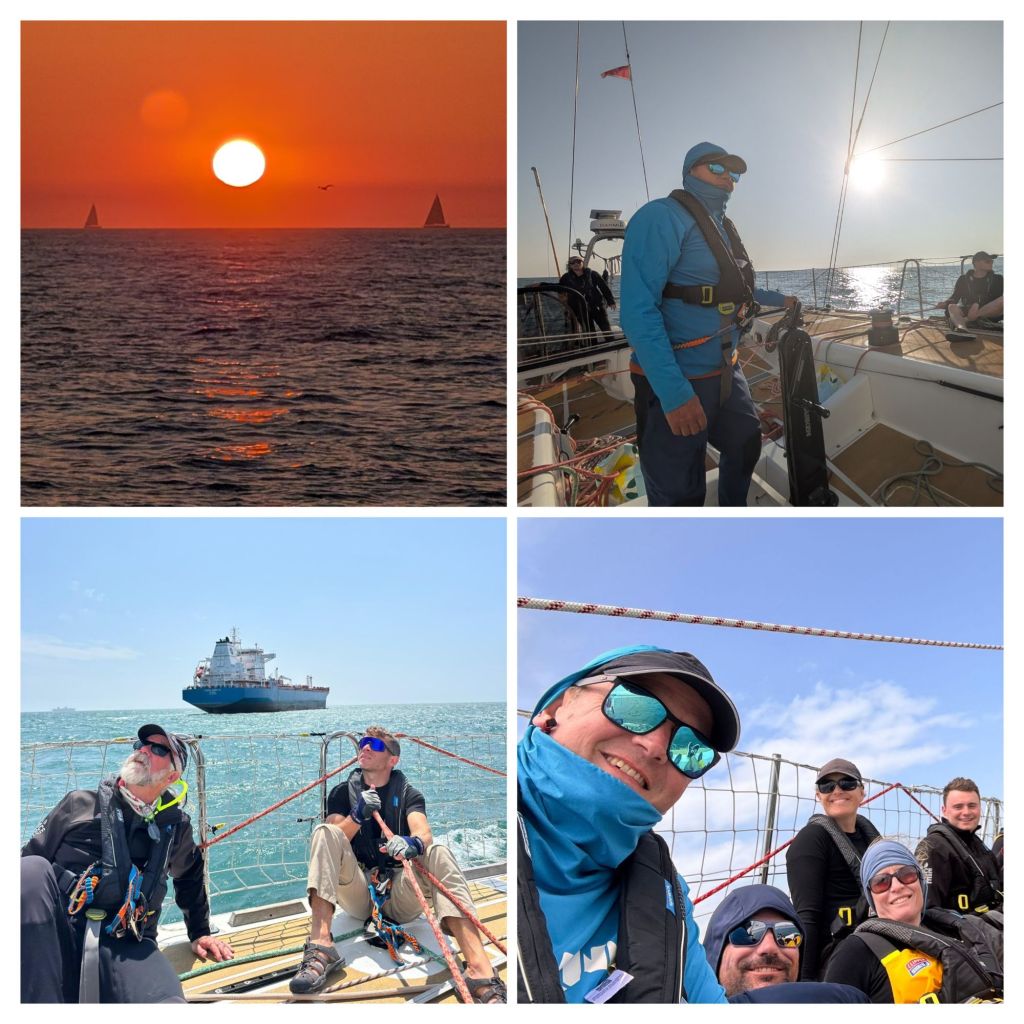
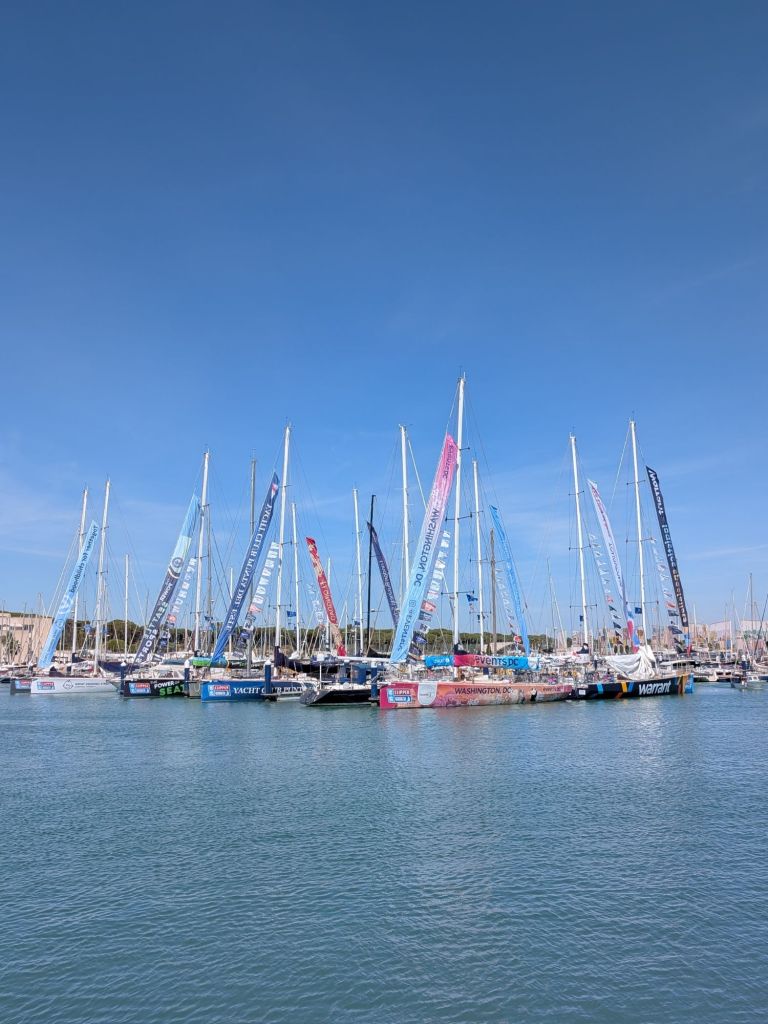
    After days of heavy weather, breakages, and high drama, our final run into Puerto Sherry felt like a gift. The seas eased, the wind softened, and the mood on board shifted with it. For the first time in what felt like forever, both the ocean and the crew were calm.

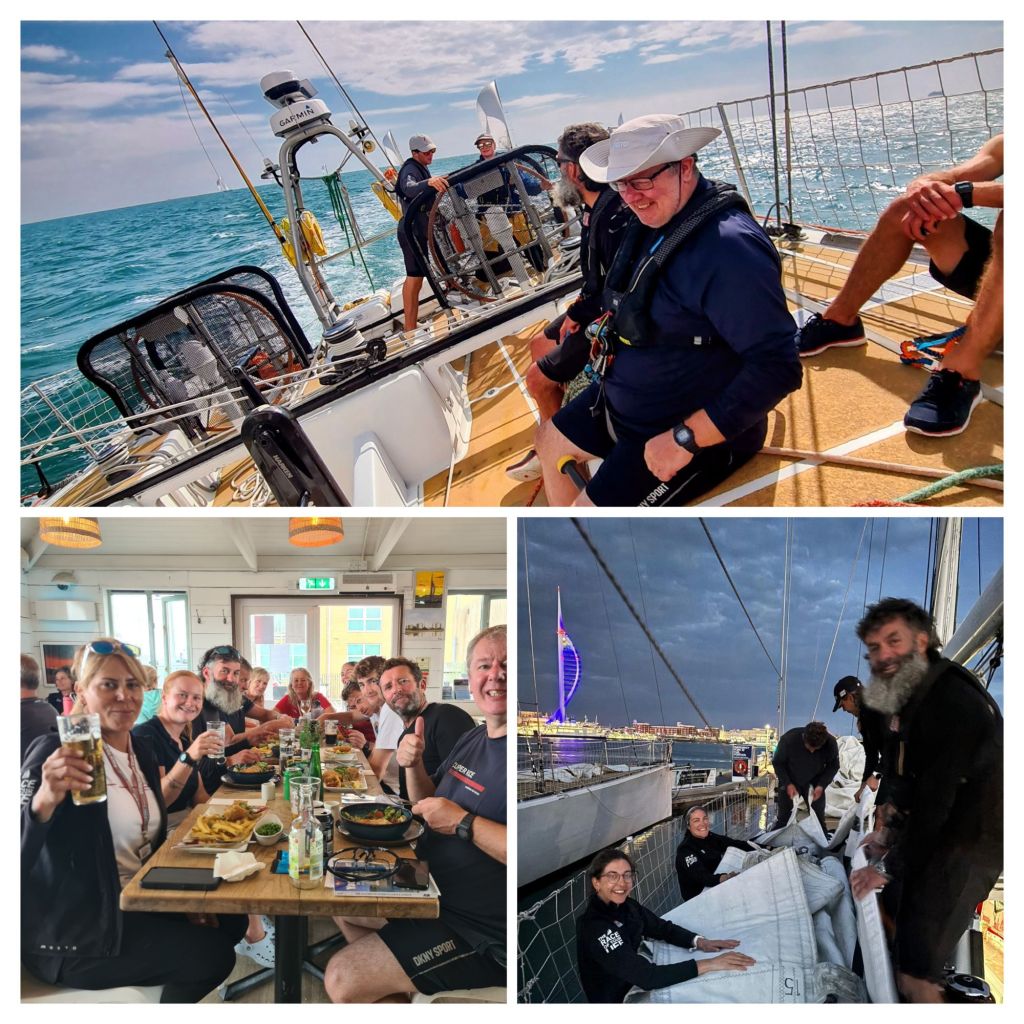
    By late afternoon, the sun was blazing and spirits were high. As we sailed into port, we were met with warm smiles and a small welcome party — a few familiar faces, including Helen, one of our crew due to join later in the race, along with friends and family of some of the others. Seeing them on the dock made the finish feel even sweeter.

    Lines tied, sails stowed, it was time to relax. Sunshine, cold cervezas, and laughter flowed freely as the tension of Biscay melted away. That first night in port brought two simple but glorious luxuries: a real bed and a proper shower. Both never felt so good.

    Stage one of Leg One, complete!
  • Before jumping into Level 4 (again), we had Team Lou’s team-building weekend — and what a weekend it was.

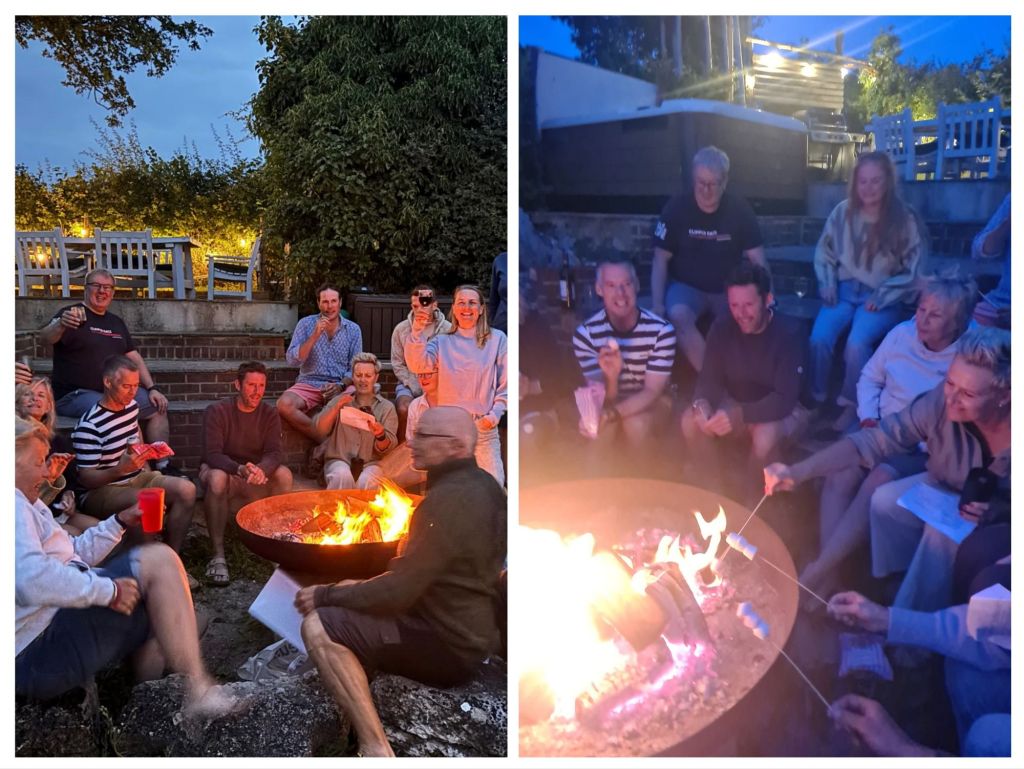
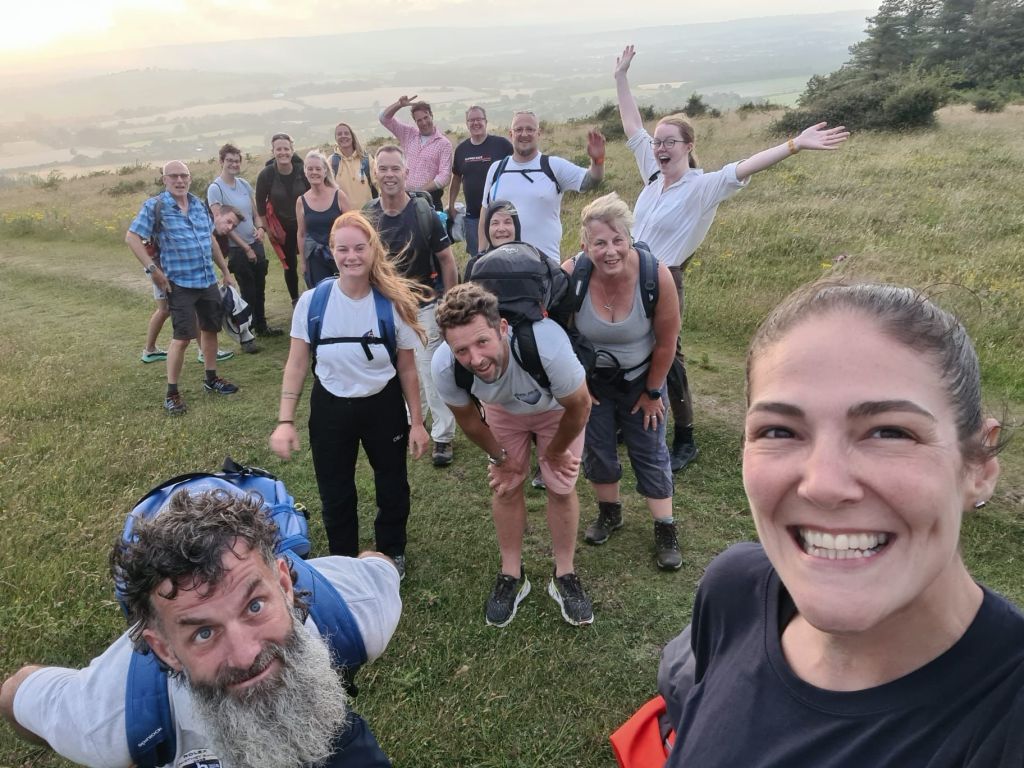
    One of our crew, Tim Ellert, kindly hosted 17 of us at one of his homes. It was an incredible setup — plenty of space, room for tents in the garden, and a full weekend of bonding, food, drink, and laughter.

    Friday night: Firepits & False Truths

    Tim kicked things off with an epic BBQ — loads of delicious marinated chicken and other goodies. After dinner, we gathered around the fire pit for a game of One Truth and a Lie, with each statement read out anonymously. The stories that came out were wild, weird, and brilliant — and the guessing was even better. A great icebreaker, and a lot of laughs.

    Saturday: Escape Rooms & Hiking Hijinks

    Saturday was packed. We tackled a couple of escape rooms (delivered in the post), followed by a 6-mile hike organised by John Pares. But this wasn’t just any hike. We had tasks to complete along the way: reenact a scene from a movie, collect specific items, interview a random stranger… the full treasure-hunt-style chaos. Naturally, the halfway point was a pub, and the 6-mile return helped walk off the pints.

    That evening, back at Tim’s place, we reviewed the photos and videos of our “missions” — some hilarious moments. Huge thanks to Tim, John, Lauren, and Karon for organising such a memorable weekend. It really brought the crew closer together.

    Bonus Level 4 Training: Chocolate Debates and Chaos at the Bow


    During the team-building weekend, Lou and Brian asked if I could jump on an extra Level 4 to help make up numbers. I wasn’t free, but the day before the training I managed to shift things around — and just like that, I was back onboard.

    This time we were sailing on with Ella as skipper and Charlie as first mate (replacing Ben).

    Ella’s Crew:

    Suzy – UK

    Krystal – Hong Kong

    Marieke – Netherlands

    Team Lou Crew onboard:

    Ellie Smith – UK, Leg 1

    Andrew Hamilton – Canada, Legs 1 & 5

    Fran Schmuecker – UK (originally from Germany)

    Laurant Le Portz – France, Leg 3


    It was another solid week at sea — more drills, anchor watches, spinnaker hoists and drops, and a race against three other 70s to finish off.

    What made this week special was the crew vibe. I don’t think I’ve laughed that much on a boat before — Ellie and Fran were such a good laugh. One of our running jokes came from my favourite icebreaker: “What’s your order for Celebrations chocolates?” (Bounty at the bottom, obviously.) Ellie and I got into long, ridiculous chats about After Eights, Talcum powder… and somehow it was hilarious every time. Those kinds of connections are what will make the wild ocean crossings that much more fun.


    Race Day: Close Calls & Chaos

    The race started with a clean Le Mans start and we were quickly into second place. Then we noticed one of the boats turning back. Moments later, a distress call went out — they were heading back to port due to a severed finger.

    We later found out the accident happened during the Le Mans start — a crew member was tailing the Yankee sheet, turned to grind, slipped, and fell back onto the winch, catching their pinky. The force of the winch stripped the flesh off, which then got jammed in the winch between the sheet… brutal stuff. A serious reminder of how quickly things can go wrong.

    Coming into Gosport: Wind, Water & a Wild Gybe

    We had the spinnaker up and attempted a gybe, but the lazy sheet got caught under the bowsprit. I was up at the bow with Lou, trying to free it using a boathook — no luck. Lou ended up climbing out onto the bowsprit and hooking it off herself. Seriously impressive skippering under pressure.

    I stayed up on the foredeck, sorting the foreguys for the gybe while the sheets flogged violently across the deck above me, making a terrifying whipping sound. I ducked down under the dropped Yankee to avoid being hit, getting absolutely soaked by waves crashing over the bow.

    With winds hitting 40 knots, we decided to drop the spinnaker. It was a heavy drop — I was up at the front, jumping to haul the sail through the letterbox, using every ounce of momentum I could muster. We eventually got it down and hoisted the Yankee. I tapped into my “keep going” mode (with some choice swearing for good measure), then headed below to change out of my drenched kit.

    Just as I got down, I heard them calling to “smoke the Yankee down” — a fast, emergency drop to get the sail in before the wind took control. I poked my head up and saw five crew up on the foredeck struggling to contain the sail. Suddenly, I heard someone yell: “Help! Help!”

    Charlie had been caught between the active Yankee sheet and the guardrail, his tether clipped on the wrong side. As the loaded sheet tightened, he was lifted off his feet, pinned sideways, and nearly dragged overboard. It was a split-second, terrifying moment. If it hadn’t been for Ellie and Marieke, who reacted instantly and hauled him back down to the deck, the outcome could have been far worse.

    Thankfully, he was pulled to safety — shaken and bruised, with what might be a cracked rib — but still with us. The foredeck was chaos. Sheets were still whipping with force, and I helped get Marieke back behind the mast, then shouted to the others to hit the deck to avoid getting hit by the Yankee sheets whipping across the foredeck. The whole incident left a few crew members visibly shaken.

    It was a stark reminder of just how fast things can go wrong at sea — and how vital quick thinking, teamwork, and staying clipped on really are.

    Eventually, we got back to port, exhausted but buzzing.

    That wrapped up my second Level 4 training — full of laughter, adrenaline, and some serious lessons. Every time I go out, I learn more, get closer to the crew, and feel more ready for what’s ahead.

    Now… onto Level 4, Part 3.

    Level 4, Part 3 – The Final Test Before Race Day

    One More Chance to Train

    Once again, I’m asked if I want to do one more Level 4. They needed extra numbers so Team Lou can have their own boat. This is the last one the skippers and first mates will do before the race starts. Of course, there’s only one answer from me… Yes!

    This one feels different though — not just because it’s my third Level 4 back to back — but because of where I am now. I’m so much more comfortable on the 70s. Everything from rigging lines to running evolutions feels familiar. I’ve got more confidence in myself and I can feel Lou and the others expecting more from me, in a good way.

    It’s wild to think that back in March I was on Level 1, clueless and wide-eyed — now I’m confidently showing others the ropes, explaining things to others, running through engineering checks, safety drills, sail setups, nav logs… It really hits me — I’ve come a long way. I actually sound like I know what I’m talking about now and somewhere along the way, I became… a sailor.

    Meet the Crew

    Helen Leonard (UK – Legs 7 & 8)

    Lauren Groves (UK – Leg 1)

    Gavin Lee (UK – Round the Worlder)

    Thomas Roy (UK – Round the Worlder)

    Cheslav (Ukraine – Leg 3)

    Richard Bartlett (UK – Leg 3)

    Trish McLaughlin (Canada – Leg 2)

    Karon Foulkes (UK – Leg 5)

    Kate Pratsinis (Switzerland – Leg 4)

    Everyone brings something unique — a great mix of backgrounds, skills, and reasons for doing this crazy race. A lovely bunch and a great final crew to train with before we take on the world.

    20250807_140636-collage2309930213113983537

    Evolutions & Experiences

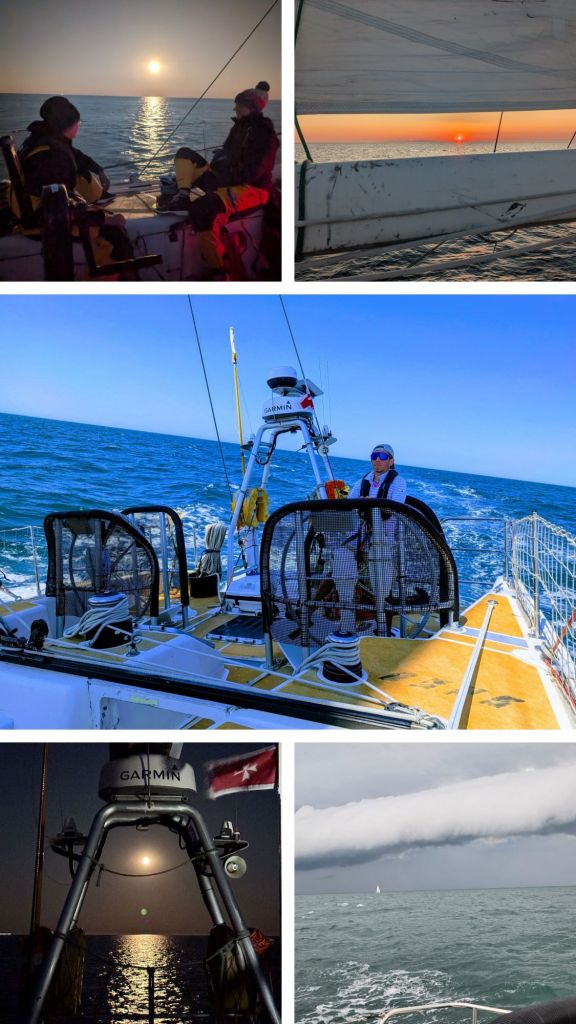
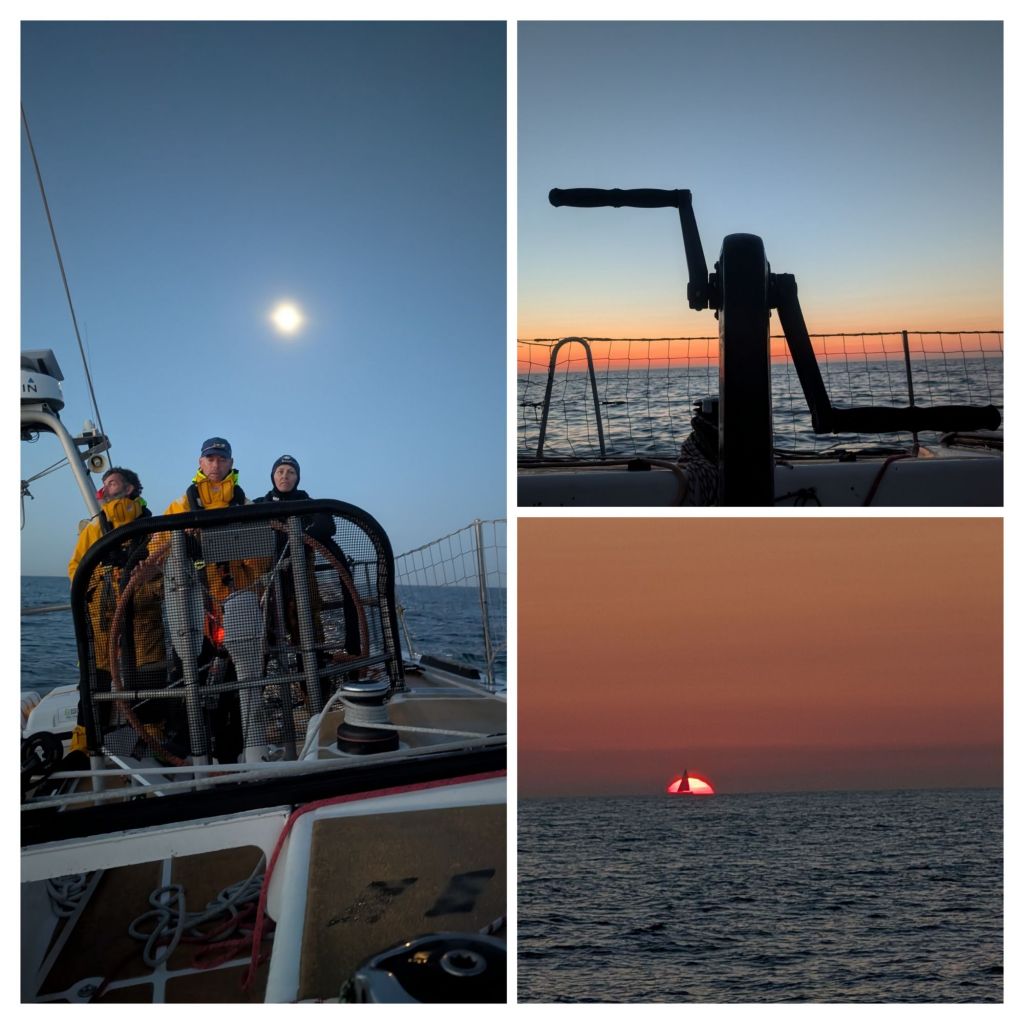
    We anchor the first couple of nights, which means classic anchor watches through the early hours. It’s honestly one of my favourite parts — quiet time, stars overhead, and deep chats with your watch mates.

    Some of the conversations this week were really special. People opened up — sharing life stories, their reasons for being here, the turning points that got them on this path. It’s always humbling, always a reminder that everyone’s on their own journey.

    Days are filled with drills: boat-to-boat transfers, man overboard practice, towing, and endless sail evolutions. We’re refining everything now and getting slicker.

    One of the big focuses this time is reefing. It’s always been a weak point, and we’re pushing to improve. Where’s Marius and his Level 3 reefing plan when you need him?!

    20250807_140734-collage7514765742643117587

    Parade of Sails – A Taste of the Real Thing

    Mid-week, we joined the rest of the fleet for a Parade of Sails — All 10 boats head out for what race starts might look like our first taste of lining up as a full Clipper fleet. We line up in formation, race management is out capturing photos and video, then each boat peels off for their own mini shoot.

    It was a cool moment — seeing all the boats together like that, knowing we’ll be racing alongside them around the world soon enough. A bit of a showpiece for the media, but also a nice break from drills and evolutions.

    20250807_140924-collage4586336631522133286

    Into the Watch System

    Lou had a plan: Thomas and I would loosly lead our respective watches. Thomas, at 18, is an impressive sailor — confident, skilled, and calm. We worked together seamlessly, especially on the foredeck — gybing, setting up foreguys fast, and constantly trading ideas on how to improve. Great to work alongside a fellow Round the Worlder who I know I’ll work well with at sea.

    As a crew, we clicked. Everyone brought something unique to the table.

    One night on helm, I was chatting with Cheslav — 70 years old, Ukrainian, calm and strong, telling me tales of circumnavigating in the 90s and early 2000s. Then he casually drops that he worked at Chernobyl before, during, and after the meltdown. I was in awe. Huge forearms, paws for hands, and a handshake like a hydraulic press. Still sharp, still passionate about sailing. A proper legend.

    20250807_141014-collage5328537210650337730

    Race Ready – Even with a Rip

    Just before race one, we noticed a rip in our mainsail. We started with reef one in — a handicap straight out the gate. The first race to a marker just off the French coast doesn’t go our way — we were too far behind the line. Though we clawed it back, the race was called off.

    On to Race 2 — a Le Mans start. We nail it. Jump ahead early and hold the lead for a good 30 minutes. Seeing the fleet behind us felt amazing. We don’t hold it forever, but it was a buzz while it lasted.

    Later in the race, I dig deep for one final effort. Three sails back-to-back, sweated up one after the other — two of them solo. Then the spinnaker comes down. I’m by the mast, bear hugging the sail through the letterbox with Thomas and Richard behind me, I’m going into overdrive.

    Gavin’s behind me shouting encouragement — proper hype man mode. I’m gassed out, arms fried, but the sail’s down. Great work team!

    We finish 6th. Not bad, considering we were one reef down the whole time. A gritty performance by a crew that pulled together fast.

    20250807_141227-collage8578321236771842698

    That’s a Wrap

    And just like that… training is done. What a week. Amazing to share the boat with two of my favourite round-the-world crewmates. I booked four levels but ended up doing six. I’ve come such a long way since March. I’m beyond grateful for the extra opportunities — the skippers, first mates, and incredible crew I’ve learned from.

    Sad to think I won’t be sailing with some of these legends again — but beyond excited to finally race with Team Lou, a team I know is packed with talent and heart.

    We’re just a few weeks out now.

    All I’ve got left to say is…

    Keep sailing. 🌊

    20250807_141312-collage8901164118154195774
  • Before getting into Level 4 training, a fun surprise — the Clipper media team reached out following the interview I gave after Level 2. The first bit of coverage was in the Reading Chronicle . I didn’t actually speak to them directly — it just popped up on my newsfeed one day. I glanced down and there I was: a photo of me helming during training. “That’s me!” was my first reaction.

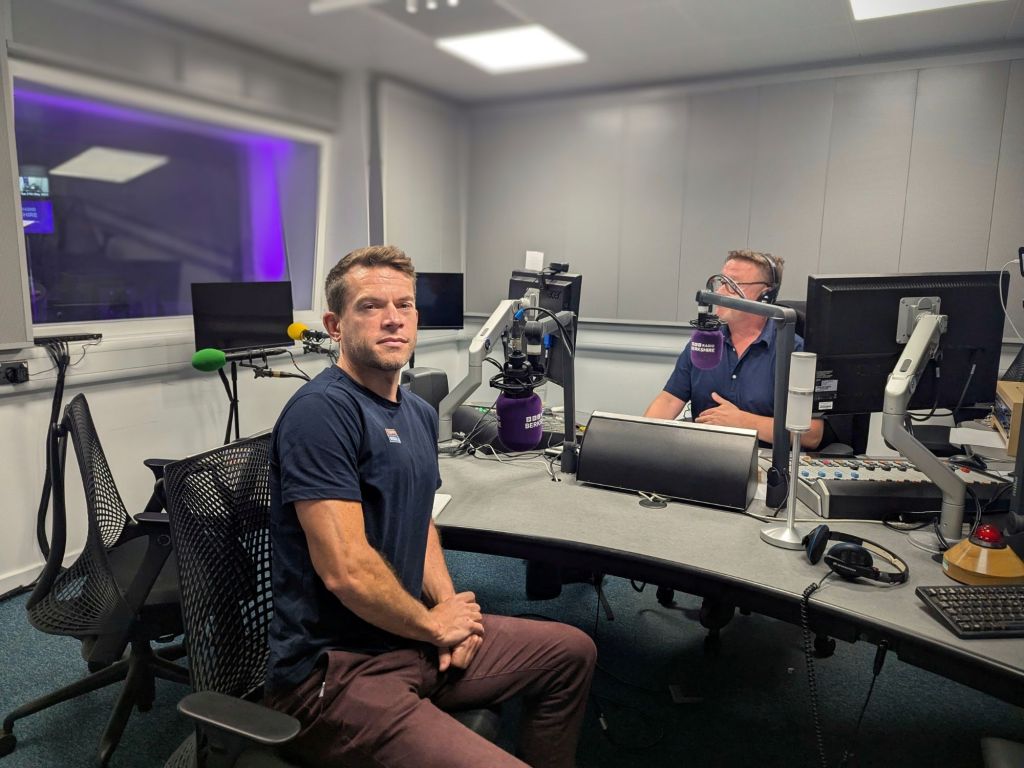
    Next came a BBC Radio Berkshire interview with Alex Grundon (link to follow). Alex was brilliant, full of great questions. I didn’t quite manage to answer everything in detail, but it was a lot of fun. A short article then went up on the BBC website. None of the media really tells the full story, of course, but it was nice to get a bit of exposure.

    pxl_20250527_093140491~24940900690562212252.

    On to Level 4 Training

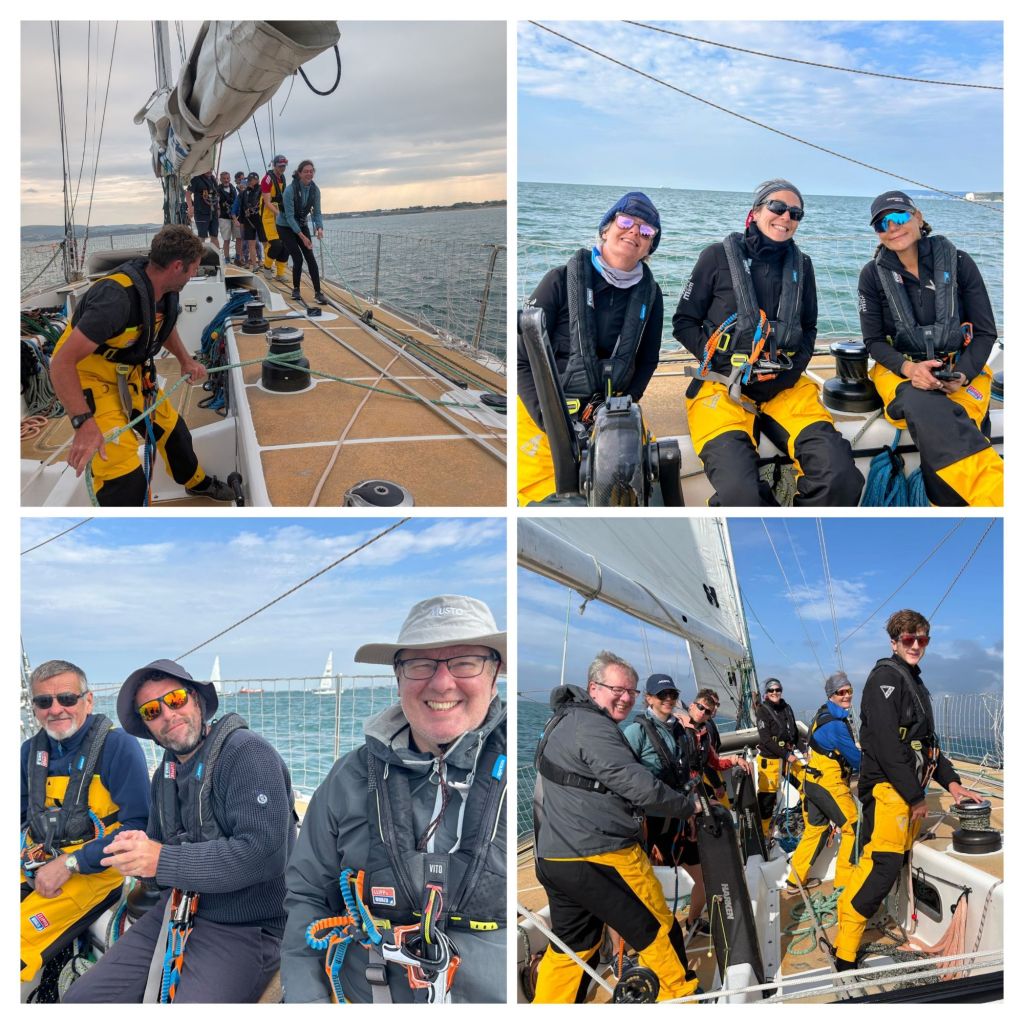
    This was our first time out sailing together as a full team on our race boat — currently known as CV23 — with Skipper Lou and First Mate Brian. The boat was shared with another crew led by Skipper Gavin and First Mate Zoe, and a mix of both teams made up the crew for the week.

    Team Lou Crew:

    Loveday Fethney (UK, circumnavigator)

    Sara Brewer (UK, circumnavigator)

    Bruce MacDonald (UK, Legs 1–4)

    Kate Armstrong (Canada, Leg 1)

    Andrew Hamilton (Canada, Leg 1)

    Naomi Mitchell (UK, originally from Australia, Leg 3)

    Tom Figgiano (Canada, Legs 1 & 2)

    Team Gavin Crew:

    (Not sure on everyone’s legs, but great people all round.)

    Thomas (France)

    Claire (UK)

    Leo (Germany)

    Nigel (Northern Ireland)

    Arno (Sweden)

    We kicked things off with the usual introductions and brief on what the week would involve. The highlight would be a mini race against five of the other training boats at the end of the week.

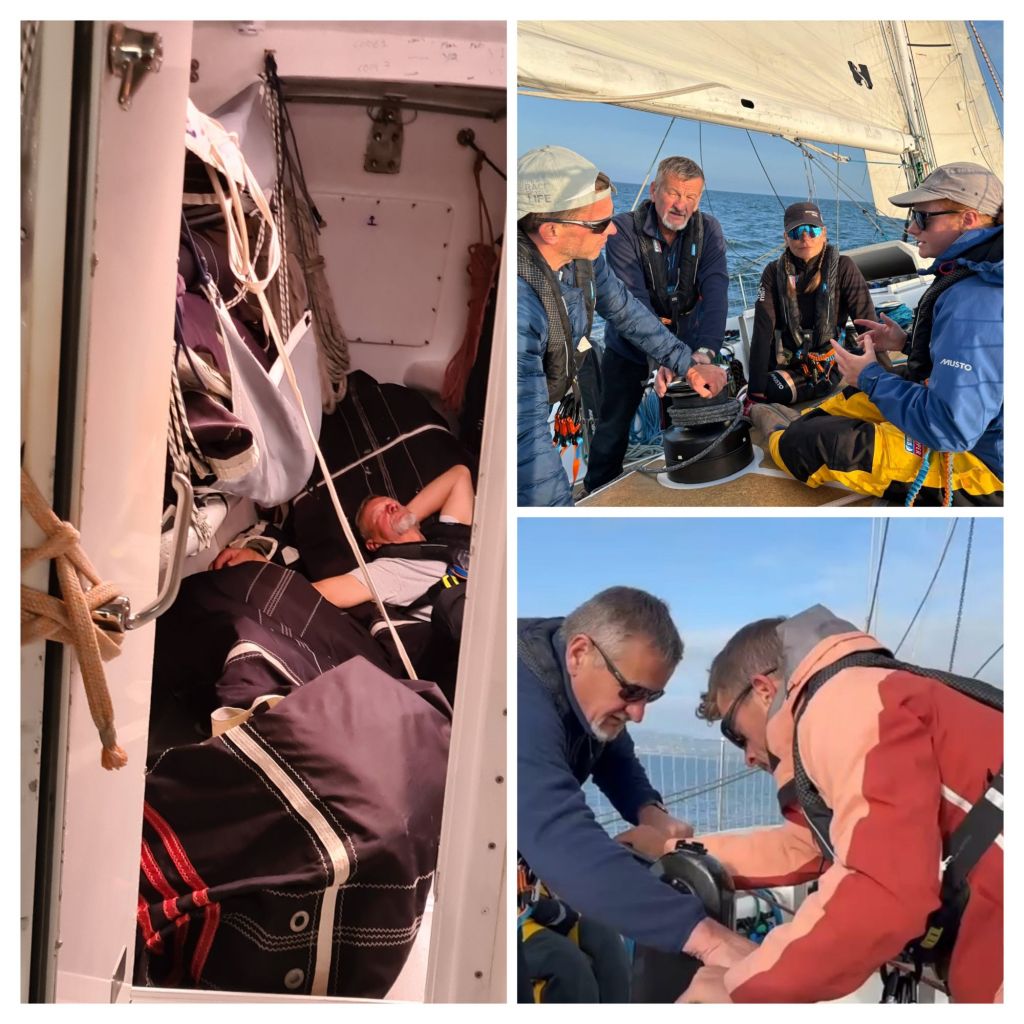
    The first couple of days were tough for some — the seas were a bit bumpy, and seasickness hit hard. A few crew were completely incapacitated: curled up in the cockpit looking pale, or crouched over the side being sick. Down below, the heads were… a scene. Buckets everywhere. I was fortunate to feel good throughout — just trying to keep clear of the worst of it and stay out of the splash zone. Naomi was a trooper, though — she’d be sick over the side, then immediately jump on the grinder or take the helm. Legendary stuff.

    20250804_104929-collage7388458562879078709

    Racing, Stars & Speedy Backstays

    Once everyone had recovered, we had a bit of fun with a running backstay challenge — a timed competition to see who could rig it into guard position the fastest. Even the skippers and first mates got involved. Leo smashed it with a lightning-fast 5-minute time. My first attempt… let’s just say it was humbling at 20 minutes. I managed to get it down to 9 after a few goes. A great way to learn — and laugh.

    One night, we anchored and had the rare chance to chill out on deck under the stars. A couple of hours on anchor watch became some of the best conversations of the week. It’s amazing how easily you can open up at 2am, under a sky full of stars, with someone you’ve only just met. We shared stories, talked about what brought us here — the kind of conversations that make this journey so much more than just sailing.

    Then came race day — a proper Le Mans start like the ones I described in an earlier post. We launched off the line into second place, solid start. But as the other boats hoisted spinnakers, we chose not to. The difference was instant — they shot ahead and left us behind. One boat was already coming back the other way before we even hit the first marker. Eventually we clawed our way back into third… then the wind died, and we ended up finishing fifth. Still, a brilliant experience, especially seeing the dynamics of a real race environment start to form.

    20250804_105017-collage3562728255210720867

    Wrapping up Level 4

    It was an amazing week. Being on board with the crew I’ll be racing with gave everything a new level of depth and realism. The drills, the race, the chats, the laughs — it’s all starting to click. I’m now running evolutions, feeling far more comfortable, and trusting myself more with every manoeuvre.

    Throughout the week, I had some great chats with the Team Lou crew — really lovely bunch of people. It was nice hearing their stories, finding out what brought them here, and sharing a few of my own. A real mix of backgrounds, but all with the same drive to take on something big. There’s something powerful about those small moments between evolutions or over tea that really build the crew bond.

    I’ve absolutely loved every minute of the Clipper training journey. Every crew I’ve sailed with has taught me something. I love being on the water, love learning, love the sense of team that builds so quickly when you’re at sea.

    This was meant to be the final training session… or so I thought. (To be continued.)

    20250804_104729-collage5128721440975974196
  • 20250721_154022-collage99566031161934448

    Level 3 meant two things: finally stepping onto the 70-foot race yachts, and getting introduced to some of the race day routines — spinnaker hoists, Le Mans starts, and a lot more time on the helm. We’d return to port every night, but the days were full throttle.

    With all the race skippers and first mates announced, we had a mixed leadership team this time:

    Skippers

    Ella Hebron (UK): Calm, experienced, and driven — back from circumnavigating as a First Mate in the last edition, now stepping up as a skipper with a focus on building a team through kindness, respect, and unity.

    Guy Waites (UK): Cool-headed and tactical, with a solo circumnavigation under his belt from the Golden Globe Race and loads of Clipper experience, including skippering in the 2019-20 race.

    First Mates

    Ben Birley (UK): Solid, friendly, with recent race experience and a good coaching style.

    Diana Vega (Isle of Wight): Practical, no-nonsense, with impressive seamanship from her years restoring and skippering boats.

    Crew-wise it was an all-male team, but a top bunch — easygoing, hardworking, and up for a laugh:

    Jacko (UK)

    AJ (Australia)

    Andrew (US)

    Mark (UK)

    Mick (UK)

    Marius (Germany)

    First Time on the Race Yacht

    Straight away, the 70 felt like a different beast. Everything a bit sleeker, a bit bigger, and thankfully — a bit more user-friendly. All the jammers in one place in the cockpit, two coffee grinders for hoisting sails, and proper helm stations on either side of the boat — meaning you can actually see where you’re going.

    Below deck, the bunks are all towards the stern, so hopefully less being launched out of your bunk in big seas. Just when you’d got used to the 68s, we had to relearn everything — but these are the boats we’ll race round the world on, so no complaints.

    20250721_154449-collage2672059065805694304

    Drills, Starts, and Spinnakers

    No watches this week, just focused drills. Lots of helming, sail changes, and spinnaker hoists. A proper intro to Le Mans starts — where the crew lines up at the stern, engines go off, and it’s a race to hoist sails and get moving.

    One of the highlights was during a spinnaker drop, where I was up near the letterbox, helping hug the sail down alongside Jacko as we wrestled it through the gap between the mainsail and the boom. After one of these drops, Jacko turned to me and nicknamed me “the Squirrel,” mostly thanks to my size and speed compared to the “bears” on deck. All good laughs with Jacko, the big Bear — it definitely made for a fun team dynamic.

    20250721_154043-collage6831796827412785363

    Lessons in Teamwork and Trimming

    Throughout the week we practiced reefing — not our strong point early on, until Marius pulled out the German efficiency, made a reefing timeline, and we nailed it in 3 minutes.

    We also spent a lot of time on the spinnaker — hoisting it, learning the wool wrap, trimming, grinding, and gybing with four guys out. My bowlines under pressure were a disaster — something I knew I needed to fix before the race kicked off. Everyone had moments they needed to work on, but the team energy stayed positive the whole week.

    Closing thoughts

    Another week done, a load of progress made. From Le Mans starts to spinnaker drills, it was great to finally feel what sailing the race yachts is really like. It’s early days, but the group felt solid — supportive, driven, and a good laugh in between. Hopefully a few familiar faces when the real thing starts… maybe even a Bear & Squirrel reunion.

    Next up is Level 4 training, but this time it will be after crew allocation — when we’ll finally find out who our skippers and first mates are, and who we’ll be sharing this mad adventure around the world with.

    It’s all starting to feel very real now.

  • pxl_20250517_084305595~23220004884006152295.

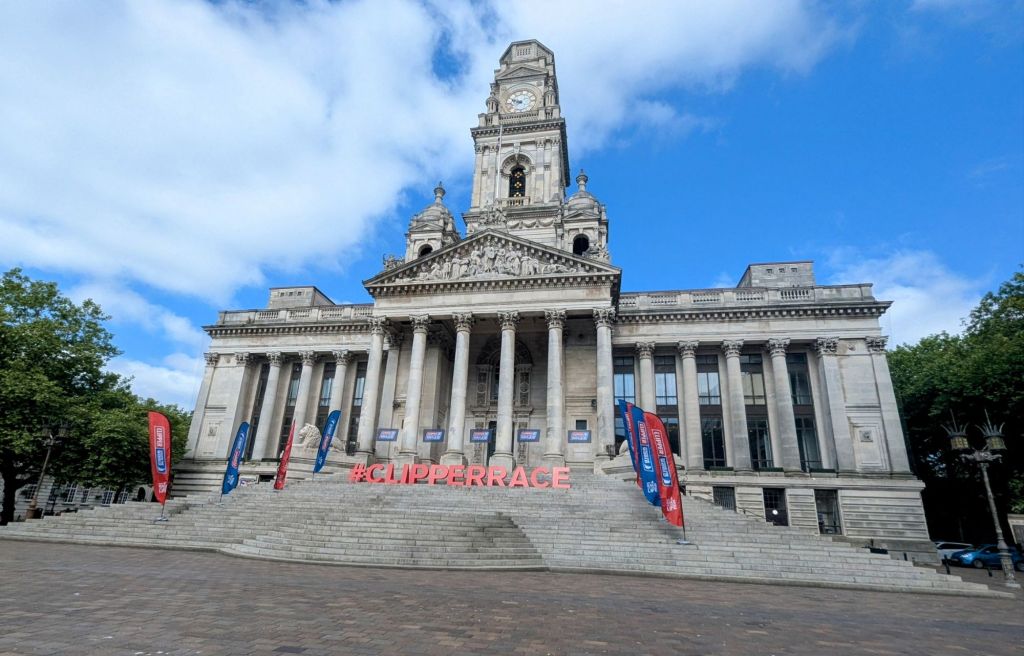
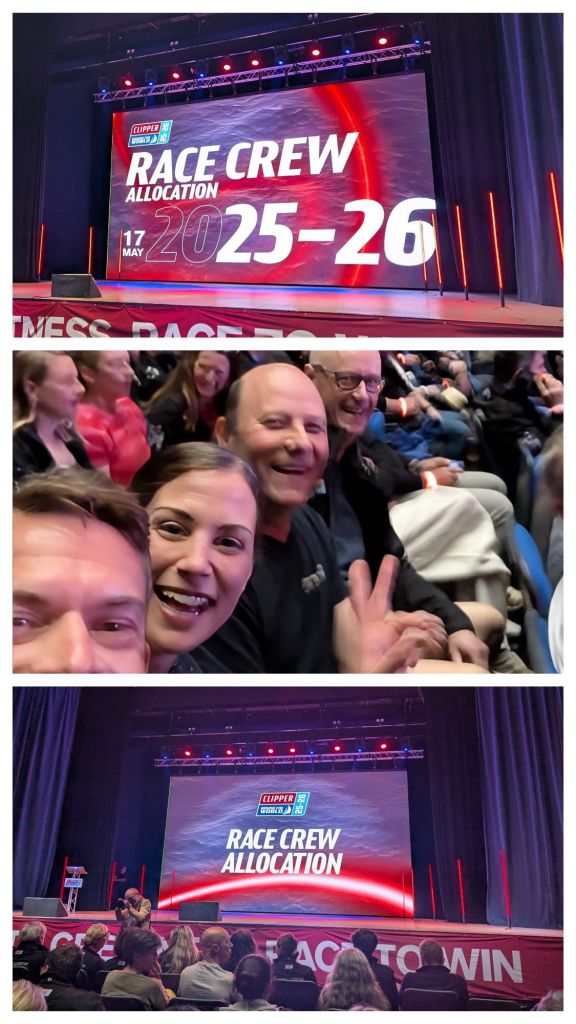
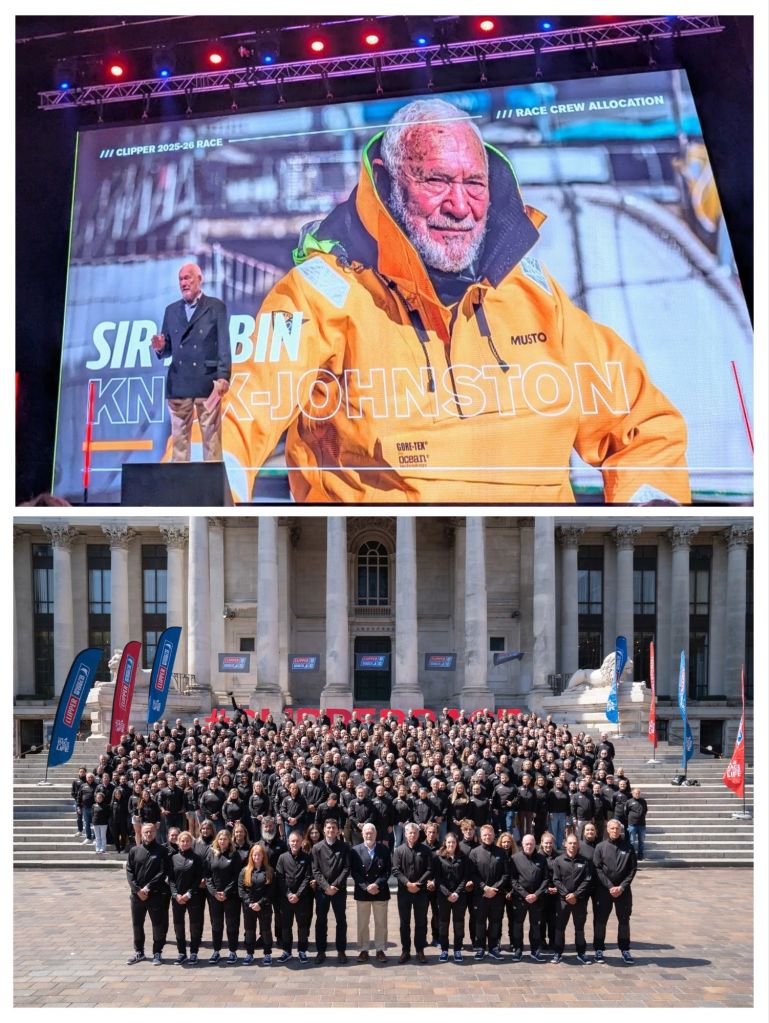
    Crew Allocation Day at the Guildhall in Portsmouth — the moment everything started to feel very real. Finally, we were about to find out who our skippers, first mates, and the rest of our crew would be, including those I’d be spending up to 11 months living, working, and racing alongside.

    The day kicked off early. The Guildhall steps were covered in Clipper banners, the media team was out in force chatting to people about why they’d signed up. Walking in, you were directed to someone who gave you a wristband — it would light up when your skipper was announced — followed by your official Clipper Race jacket, which I have to say looked pretty sharp. Then, into the main hall where you could feel the buzz, the energy, the nerves. Familiar faces from training everywhere, and in true Clipper style, I hear someone shout, “Squirrel!” across the room… of course it was Jacko, the Big Bear, and his family — including his daughter who’s also doing the race. Turns out I’m known as “the Squirrel” well beyond just Jacko now.

    I ended up sitting with a few of the crew from my Level 1 training, all of us together in anticipation, watching the stage and waiting to see when our wristbands would light up, each one linked to a skipper. Every time someone’s band flashed, there was a ripple of excitement, people standing up to join their new teams, while the rest of us waited for our moment.

    20250722_122509-collage654542710208060623

    The presentation kicked off, with different Clipper staff talking us through the race ports, logistics, and stories from previous editions. Then a highlight — a talk from Sir Robin Knox-Johnston, the man who founded it all. Hearing him speak, knowing his history, was a proper moment. Absolute legend.

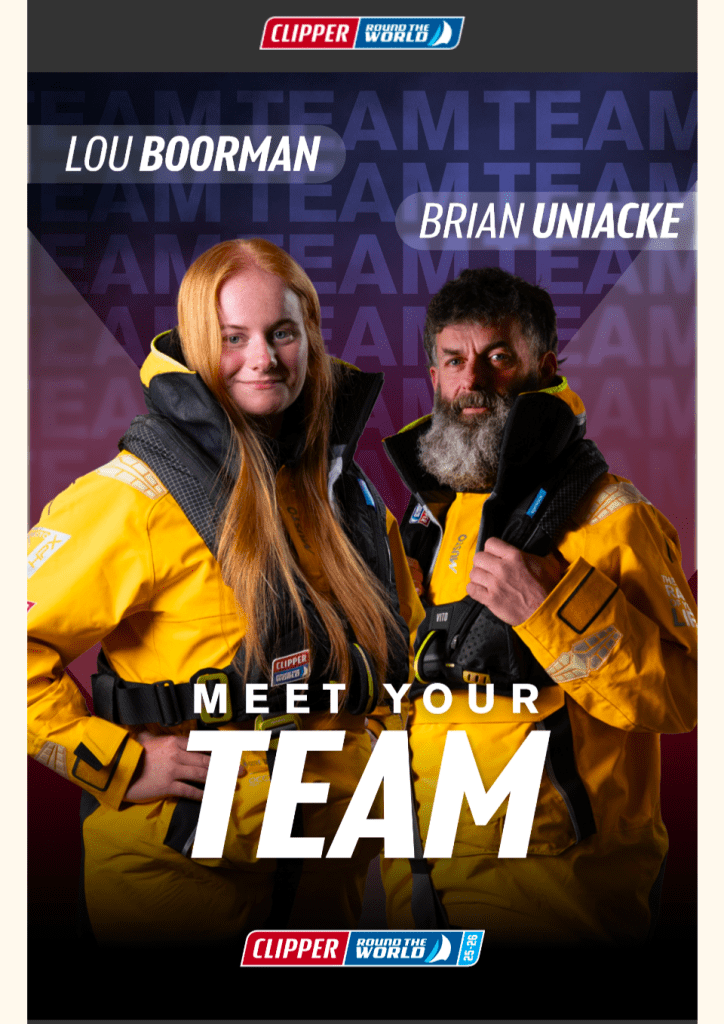
    Then came the main event — the skippers and first mates on stage. The wristbands started lighting up, one by one. People I’d sailed with standing up, lots of happy faces, but also a few moments of “ah, we’re on different boats.” Down to the final two skippers: Lou and Phil. Quietly hoping for Lou, fingers crossed. Lou came out on stage with her first mate Brian… then boom — my wristband lights up. Absolutely buzzing. I’d hoped for Lou from Level 2 and here we are. No other familiar faces standing with me but it didn’t matter — it was time to get to know a whole new crew.

    20250722_123432-collage7753924591376449757

    Afterwards, it was photos on the Guildhall steps, quick introductions, and chats about everything from strategy to expectations — even a few early debates about the meaning of winning versus experience. Classic first-day dynamics: some already in full competitive mode, others just excited for the adventure ahead.

    The conversations naturally shifted to how we’d all work together on board. We talked about the key team roles that would need to be filled — engineers, bosuns, sail repair leads, and the crucial team coordinator. Everyone would get a say in what roles they were interested in, and a couple of days after crew allocation we were sent a questionnaire to fill in — what we thought our strengths and weaknesses were, our top three preferred roles, and where we felt we could contribute most to the crew.

    It was interesting hearing people’s backgrounds — some with sailing experience already thinking about bosun or sail repair, others with practical skills looking towards engineer, and a few naturally organised types eyeing up team coordinator. You could already feel the sense of responsibility building, knowing the race isn’t just about sailing, but about running the boat like a self-sufficient team at sea.

    A few days later, I got a call from Lou. She asked if I’d be up for taking on the role of Team Coordinator. It felt like a big responsibility but also a really good fit. The Team Coordinator helps the skipper with yacht admin and overall organisation. It’s a varied role that involves good planning, time management, and communication. Before stopovers, I’d be helping Lou liaise with the Clipper Race Office and the Race Manager to make sure we arrive in port fully prepared — sorting out paperwork for customs and immigration, keeping schedules on track for meetings, media duties, corporate visits, and social events. On board, I’d be responsible for bunk allocations, helping to prep the boat for new crew joining at stopovers, and making sure key information is passed on during daily team meetings… including the important stuff like birthdays and celebrations.

    It felt like the first proper step into this team — not just sailing the race, but helping run the team behind it.

    screenshot_20250722-1202218696457272505939502
  • 20250721_141133-collage5493276340553472197

    Before getting into the next level of training, it’s only right to talk about one of the biggest things that’s helped me along the way: fitness. It’s been about far more than just keeping physically active — it’s been about finding structure, building confidence, and most importantly, tapping into that mental side that keeps you going when things get tough. Whether it was through running, yoga, or the challenges along the way, fitness became a way of resetting my mind, pushing through the harder moments, and reminding myself what I’m capable of.

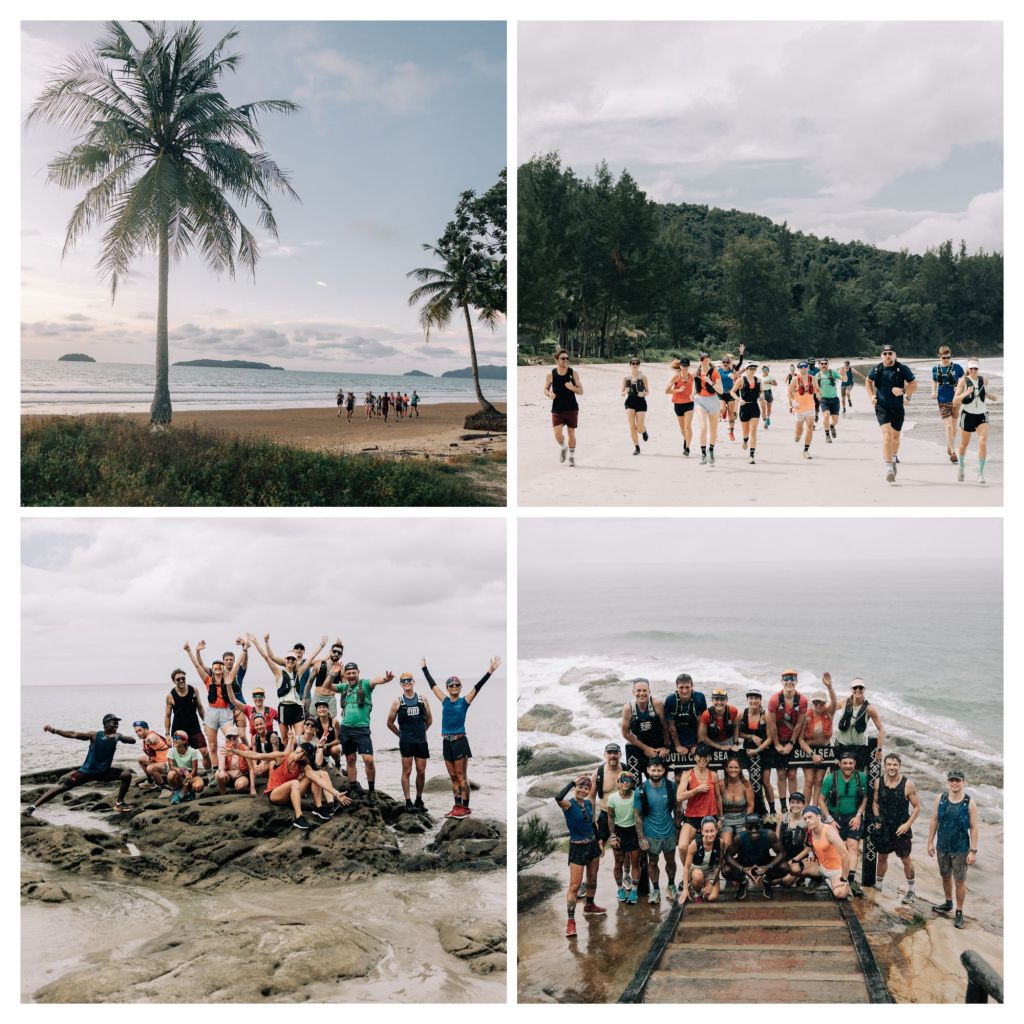
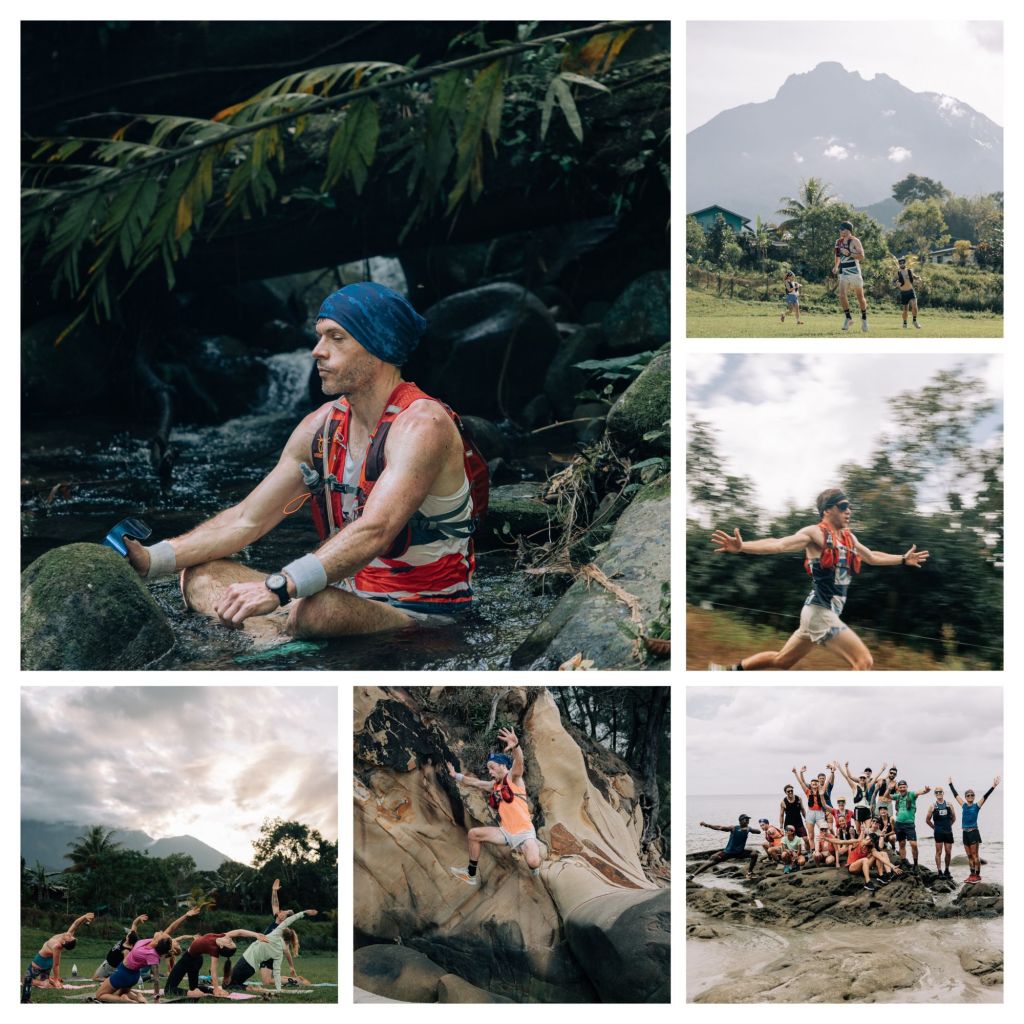
    It really kicked off with running. I’d always liked running, but I started pushing for longer distances, sometimes the only goal was just to get out and run until the head cleared. Then I discovered trail running — and it completely changed things. Maverick Trail Running events introduced me to a whole new way of running: off-road, in nature, usually muddy and often hilly. I loved it. It was never about chasing a time, it was about getting out there and enjoying the adventure.

    I even ended up signing up for their Borneo Jungle Ultra, running through rainforests, river crossings, crazy humidity — the kind of running adventure I never thought I’d be doing. For years I’d always been a solo runner, head down, headphones in, but trail running changed that too. I made a brilliant group of friends through these events, people who just ‘got it’. We started linking up for events, travelling to races, and checking in on each other. Some proper new friendships I know will still be there when I get back from the race.

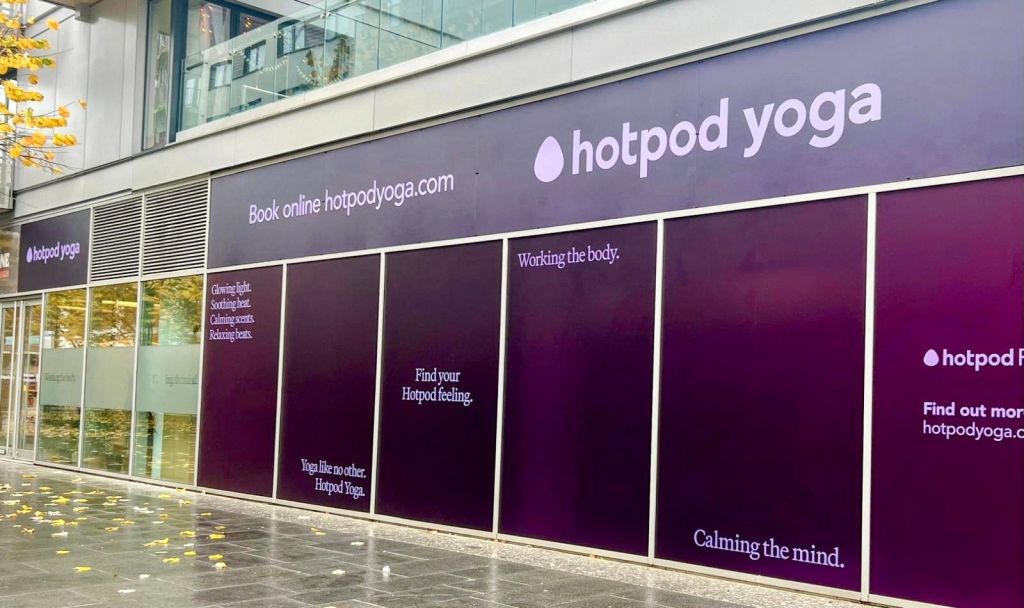
    At the same time, I fell into something I never saw coming: hot yoga. A new Hotpod Yoga studio opened up just as I moved back to Reading, I went to the very first class on opening day — and was hooked from day one. I loved the heat, the challenge, learning something completely new, and how it made my head feel clearer and body stronger.

    Through that, I got to know Suzie, the amazing owner, and Dimitra, who became my favourite teacher — she’d always throw in just the right balance of calm, encouragement, and challenge. I slowly worked my way up to dynamic flow classes, absolutely roasting in the pod but walking out feeling like I could take on anything. Then there was Manish, famous for his “hold it a little longer… a little longer… and now we add the bind” routines, where your legs are shaking, sweat’s pouring, and somehow you’re smiling. Easily my favourite type of yoga — tough but fun.

    There were weeks when I’d do three or four classes, especially during those tougher stretches. I didn’t realise it at the time, but those sessions became key pillars of my routine, helping me feel good and get stronger, both physically and mentally. Without knowing it, Suzie, Dimitra, and the Hotpod community gave me a space to reset when I really needed it.

    img-20250721-wa0002~22012857627536933854.

    It’s funny — I thought I was just finding ways to stay active, but it turned out I was rebuilding myself without even realising it. Whether it was the quiet rhythm of trail runs, the adventure of Maverick events, or the focus and challenge of hot yoga, these became cornerstones that helped me through tougher times.

    A big part of that was the people. Suzie, the owner of Hotpod Yoga, was always brilliant — we’d have great chats and plenty of laughs, talking about how we both ended up there, sharing stories of rebuilding and moving forward. Dimitra, my favourite teacher, always had time for a chat after class, and I’d leave feeling recharged and a little stronger. Without them even knowing it, that combination of movement, community, and support helped get me back on track.

    It’s also become one of my biggest strengths heading into the Clipper Race. All that yoga, flexibility, and core strength means when the tough moments hit — whether it’s fatigue, bad weather, or long night watches — I know I’ll have that extra reserve to dig into, both physically and mentally. Fitness hasn’t just been something to get through the hard times — it’s become a tool I’ll carry with me across the oceans. And while I’ll definitely miss the Hotpod community and the Maverick crew (alongside family and friends of course!), I know those sessions have already given me more than I could’ve expected.

    img-20250721-wa00038641162972415512130
  • 20250717_210555-collage6859968989558528084

    Before Level 2 kicked off, the Clipper Race Skippers were announced, and this would be our first time sailing with them — a proper glimpse of the professionals who would lead us through the race itself.

    For this week, we had two brilliant skippers:

    Lou Bouman – A powerhouse of experience: British, Irish, and Welsh female sailing champion, youngest skipper of the Round Britain and Ireland Race, now Clipper Race Skipper. I didn’t know it yet, but I’d be seeing a lot more of Lou. By the end of the week, I’d even be putting in a request to have her as my skipper. Let’s see what happens.

    Philip Quinn – Irish, returning skipper from the previous Clipper edition with over 40 years of sailing experience. Calm, clear, and focused — ready to help everyone push their limits.

    The crew this time:

    Marcie (UK)

    Andrew (US)

    Chris (Sweden)

    Lorenzo (Italy)

    Jane (UK)

    Nina (UK)

    Matt (US)

    It was my second time on a sailing yacht, back on the Clipper 68s for one last round before progressing to the race yachts. And this week, we’d get a proper introduction to watch systems — rotating through 4 hours on / 4 hours off overnight, with 6-hour watches during the day. A brutal 3 a.m. wake-up included.

    Sea Survival: A Day You Never Forget

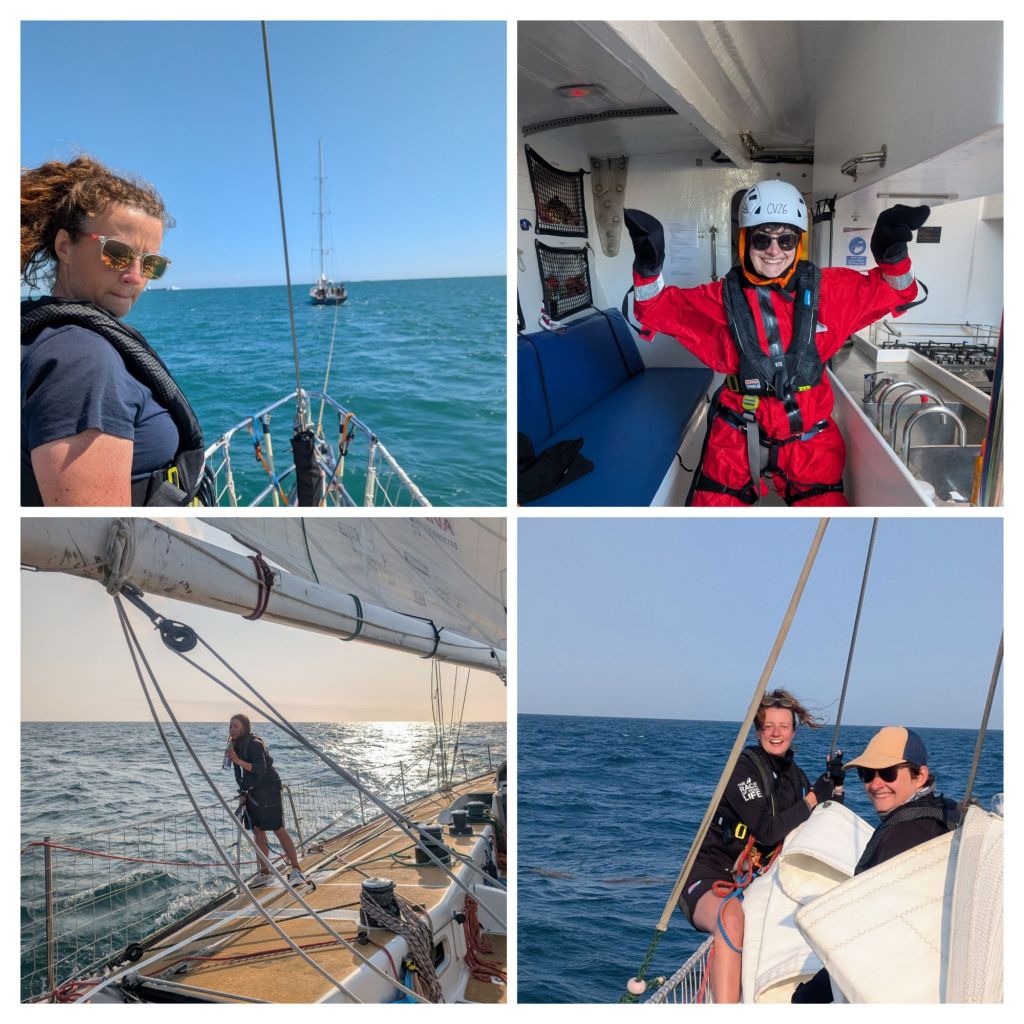
    We kicked off with Sea Survival Training — first in the classroom, learning the hard realities of what can go wrong: stories of sunken vessels, survival against the odds, and everything you hope you never experience. We covered emergency protocols, lifejackets, flares, abandon-ship drills — then it was into the pool.

    In full foul-weather gear, we learned how to work together in the water: flipping liferafts, helping each other onboard, climbing in solo, even how to huddle for warmth. Tough, practical, and surprisingly fun in a ‘hope we never need this’ kind of way.

    Into the Watch Routine

    From there, it was onto the boat. The usual introductions, safety drills, sleeping dockside for one night, then straight into full-time sailing — staying out every night and living in the watch system.

    Our four-person watch with Marcie, Chris, Matt, and me. Chris, steady and skilled. Matt, endlessly positive, the type of person who makes you feel better just by being around. And Marcie — without a doubt the best person I’d sailed with so far: experienced, patient, and genuinely kind. She made Level 2 infinitely better. Easily my favourite sailing buddy.

    20250717_210643-collage6349644494564950742

    Finding My Feet (and the Helm)

    We faced some pretty choppy seas during the week. One particularly rough night stands out – After a hard shift battling through the waves, we were wrecked. Seasick, exhausted, and desperate to collapse in our bunks. Four hours later, dragging ourselves back on deck was a mission. I ended up lying on the sail bags by my bunk just to get my foulies on.

    Then came my first time helming. No idea what I was doing. I tried, turned too far, dead-tacked the boat, and we had to put the engine on. Great… first time at the wheel and I stalled the yacht.

    It dented my confidence, but I knew this was all part of learning. I stepped back from the helm for the next watch, knowing I’d be back. Marcie encouraged me to get back up there, reminding me sometimes it’s better to just push through.

    Coming back into Portsmouth, I was back on the helm — with Lou guiding me through. Thanks to Marcie for making sure I got back up there, and to Lou for calmly coaching me. I steered us back through the busy shipping lanes, and for the first time, it felt good.

    Not perfect. Not polished. But a solid reminder: you can come back stronger after mistakes.

    20250717_211114-collage483763875650131530

    Anchor Watches and Problem Solving at Sea

    One night we dropped anchor off the coast of the Isle of Wight — a different rhythm after the usual safety drills and sail evolutions, and a welcome break from the constant watch system. Instead of the usual four hours on, four hours off, we rotated through anchor watches: two hours on, two people at a time, with staggered shifts so you’d spend an hour with one crewmate, then swap and spend an hour with another. Each hour we’d log three compass bearings to make sure we weren’t drifting, and check the anchor chain wasn’t dragging.

    It turned into a beautiful, clear night — stars overhead, calm sea — the kind of quiet moment you don’t get often offshore. A chance to chat, gaze up, and actually enjoy the surroundings. A good reminder of why we were out there.

    Morning came, and the anchor had other ideas. When it was time to leave, the chain wouldn’t budge — completely stuck under the keel of the boat. That’s when you see how good skippers earn their stripes. Phil quickly came up with a couple of options: first, someone could suit up in the swimmer’s kit, get lowered down, and attach a halyard further down the chain. I volunteered. But before it got to that, Plan B was on — re-leading the chain to the stern and hoisting it from there. It worked, after some effort.

    It cost us a couple of hours but was genuinely interesting to see the teamwork and problem-solving in action. Anchoring isn’t something we’ll do much during the race, but it’s good to have in the back pocket for whatever challenges come up.

    Wrap-Up: Lessons, Progress, and Future Hopes

    Near the end of the week, the Clipper media team pulled me aside for a quick chat. They asked about why I was doing the race, my background, and how I was finding training so far. Next thing I knew, they were asking if I’d be happy to feature in a press release — possibly a local newspaper article or even a radio interview. Let’s see what happens.

    It was a great week — working through evolutions, safety drills, and sailing challenges. It definitely felt different from that first week. Less “what’s a rope called again,” more pushing myself, more responsibility. Still loads to learn, but it was starting to click. A tougher routine, harder conditions, but another great crew — and it made a huge difference. My last time on the 68s, and I finished it having made a great friend in Marcie, improved massively at the helm, and found a skipper I really hoped to sail around the world with.

    Level 2 had been a tougher week — harder watches, rougher seas, more pressure — but also bigger wins. I left knowing I’d improved, hoping to sail with Lou and Marcie again, and reminded that the real takeaway was simple:
    whatever happens… just keep sailing.

    My Favourites Lou and Marcie!
    My Favourite’s, Left – Skipper Lou, Right – Marcie

  • 20250702_173655-collage67035457590103839


    Before the training even started — when I first began telling people about this next adventure — the question always came up: “Why?”

    Why sign up to sail around the world with strangers? Why spend months at sea? Why put yourself through all of that?

    It’s a question I heard a lot, and truthfully, it’s not always easy to answer. I’ve thought about how to answer the question a lot and there isn’t one neat, polished reason. But the simplest thought is this:
    I love an adventure.

    Some people backpack. Some book cruises. I signed up to race across oceans with a crew of strangers and zero sailing experience. What better way to travel around the world than by wind and grit, on the open ocean in the Clipper Race?

    It’s not about luxury. It’s not about ticking boxes. It’s about the challenge, the unknown, the rawness of it all. The sea doesn’t care who you are — and there’s something about that which feels incredibly honest.

    Day One: Introductions & Ignorance

    So here we are. The start of Clipper Race training.
    No sailing experience. No real idea what’s ahead. And strangely… no nerves. Just a calm sense of “right, let’s do this.” Maybe it’s denial. Maybe it’s growth. Either way, I showed up with an open mind, a sturdy waterproof bag, and a mild fear of knots.
    Week one kicks off with 12 strangers from all over the world — different accents, ages, and reasons for being here. Some have sailed since childhood. Some (like me) signed up after seeing a Facebook ad and mistook it for a sensible life decision.
    It’s a mix of theory, kit checks, awkwardly getting into lifejackets, and trying to remember whether “port” is the left side or a strong drink (spoiler: it’s both). The instructors are patient and low-key, which helps. No one’s barking orders. Yet.
    There’s something grounding about being completely new at something again. No expectations to live up to. Just the quiet satisfaction of showing up, paying attention, and not falling off the pontoon.
    So far, so good.

    The Boat

    Training began aboard CV2, one of the Clipper 68s — former race boats now used for Level 1 and 2 training. No frills, no creature comforts. Just sails, steel, and the promise that we’d know a lot more in seven days than we did when we stepped aboard.

    Our instructors were:

    David – Skipper (UK), experienced, direct, extremely hot on safety — and not shy about raising his voice when needed.

    Abbie – First Mate (UK), calm and clear, excellent at explaining things when everyone looked blank.

    Mike – Second Mate (UK), patient and solid, always ready with a quiet tip or correction.

    The Crew

    Our fellow trainees:

    Hannelle (UK – Leg 2)

    Gus (Spain – full circumnavigation)

    Robin (UK – Leg 3)

    Piotr (Poland – Leg 3)

    Sven (UK – Leg 1)

    Ian (UK – Sadly had to withdraw due an Injury he picked up on his Level 2 training)

    Julia (Germany – Leg 6)

    Margaux (France – Leg 1)

    Terry (Canada – Legs 4, 5, 6 & 8)

    Chris (South Africa – Leg 4)

    Caroline –  UK who sadly had to withdraw partway through the week due to seasickness, despite giving it everything she had. Brave, honest, and a reminder that the sea doesn’t always give you a choice.

    On that first day, sitting in the cockpit, we introduced ourselves and shared our reasons for joining — and, more tellingly, our concerns. Sea sickness. No sleep. Cold nights. Living with strangers. All valid. When it came to me, I shrugged: “That’s all part of the gig. It’s going to happen, and I’ll deal with it.”
    David, with a knowing grin, replied, “Ignorance is bliss.” 😬

    20250702_140518-collage4813075369053365349

    Learning the Ropes (Literally)

    The first day we began alongside the pontoon, running through safety drills and emergency kit. Then over the next few days out we went — into the Solent, where everything became very real, very fast. We learned to hoist sails, tack, reef, flake sails, grind winches, man over board drills  and communicate without shouting (or sometimes while shouting). The learning curve was steep, and the deck was always moving.

    We were split into pairs for rotating galley duty — known as “mother watch.” Cooking for the full crew while the boat rocks around is humbling, and dangerous for loose pasta.

    We also covered engine checks and the basics of navigation — Every hour, someone was responsible for updating the ship’s log — recording wind speed, compass bearing, position, cloud cover, sea state, and a bunch of other things I didn’t fully understand at the time. I wrote a lot of it down with confidence, and absolutely no idea what half of it meant.

    Terms like barometric pressure and cloud type felt like GCSE geography I hadn’t revised for. Still, we got the hang of it. Slowly, the numbers and terms started to mean something

    At one point we ran a Man Overboard drill — where a lifeless dummy named BOB is thrown over the side, and the crew has to respond like it’s the real thing. I ended up as the designated swimmer, clipped on and lowered down the side of the boat to “rescue” him. It was cold, slightly awkward, and a bit surreal — dangling off the side of a yacht, saving a heavy, concrete filled dummy called BOB. But also strangely satisfying. BOB was safely recovered, and I managed to stay dry. Win-win.

    20250702_141806-collage4903620617434590753

    Sea Legs & “Keep Sailing”

    Some crew got seasick — and yes, I felt it too. One day in particular hit hard while Gus and I were on mother watch. Trying to cook for 13 people while the boat lurched around was… character building. We both had to stop at points just to catch our breath — me more so than Gus.

    Credit to him: he powered through, kept stirring, and made sure the meal made it to the bowls. I’m genuinely grateful for that. At that point, even the smell of the galley was a challenge.

    That evening, during the debrief, when asked how the day went, I just said:
    “It happened. Keep sailing.”
    It became my quiet motto for the week. Not profound. Just practical.

    A Week That Changed Everything

    By the end of the week, I still couldn’t tie every knot from memory. I still had to glance at my hands to remember which side was port. But I knew one thing with certainty: I was in the right place.

    These were the first people I ever sailed with. We learned together, laughed through our mistakes, and made a floating, awkward, brilliant home out of a training yacht called CV2.

    I left Level 1 not with doubt, but with more certainty than I’d had in a long time.

    This was the beginning of something big — and I was all in…. Keep Sailing!
    Link to video of our Level 1 training made by favourite Polish friend Piotr.

    https://youtu.be/v3PVYtDqx00?si=zsHO63G-MxCAwkBr

    20250702_142016-collage4634484474415449826

  • From Heartbreak to Headwinds: The Road to the Clipper Race

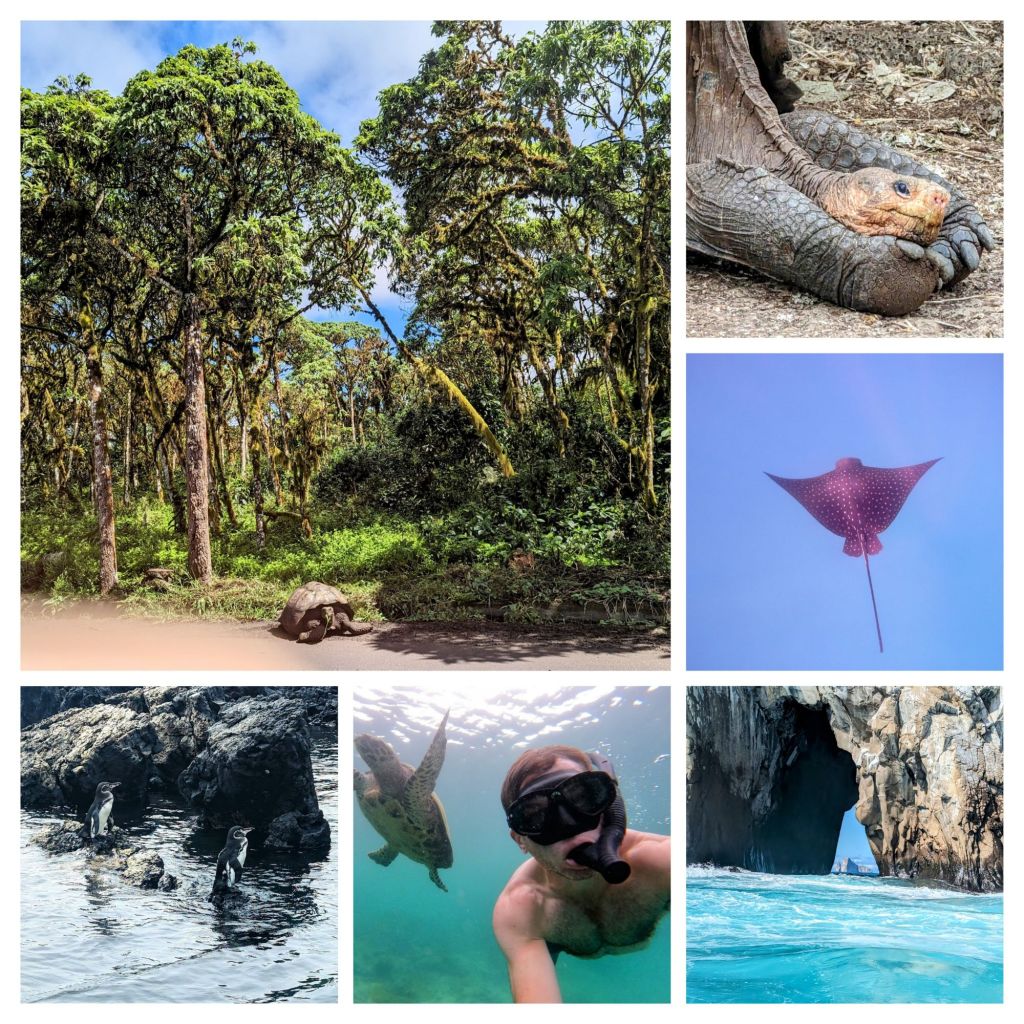
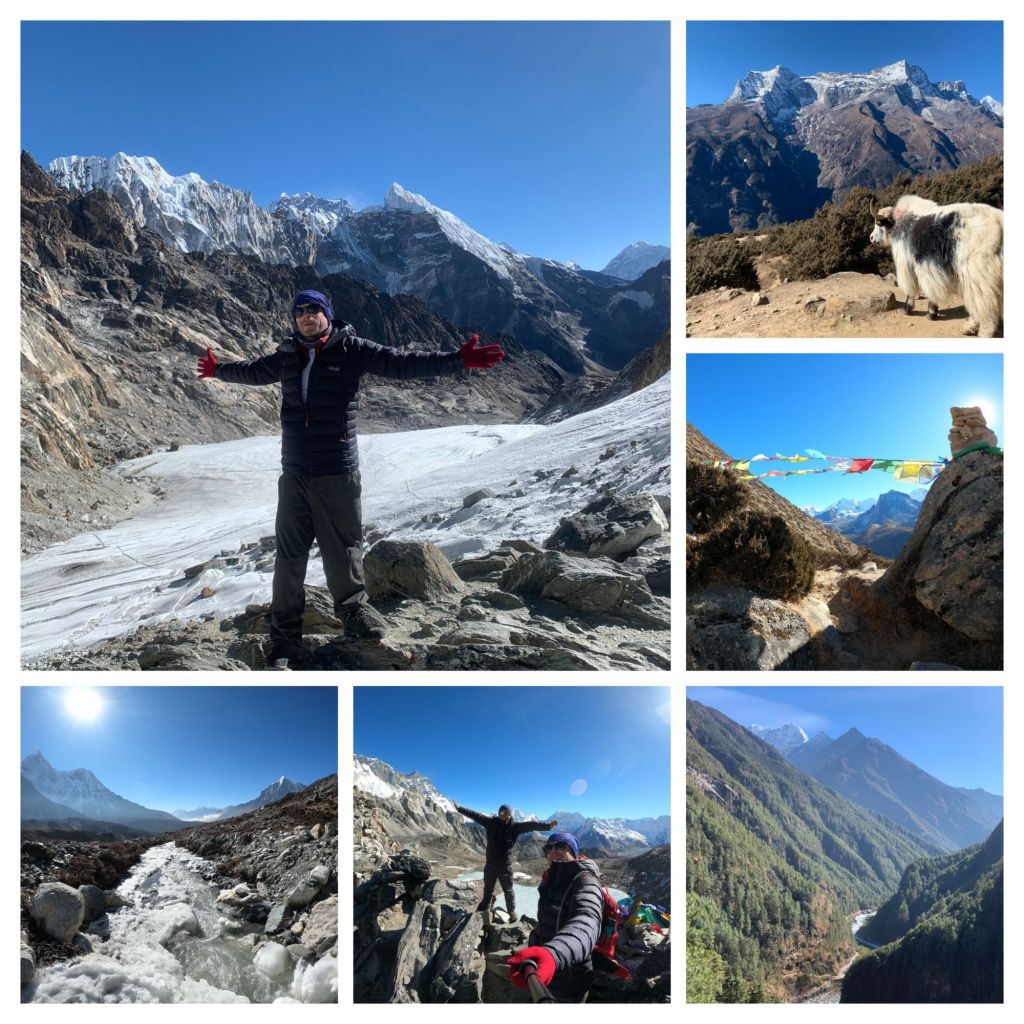
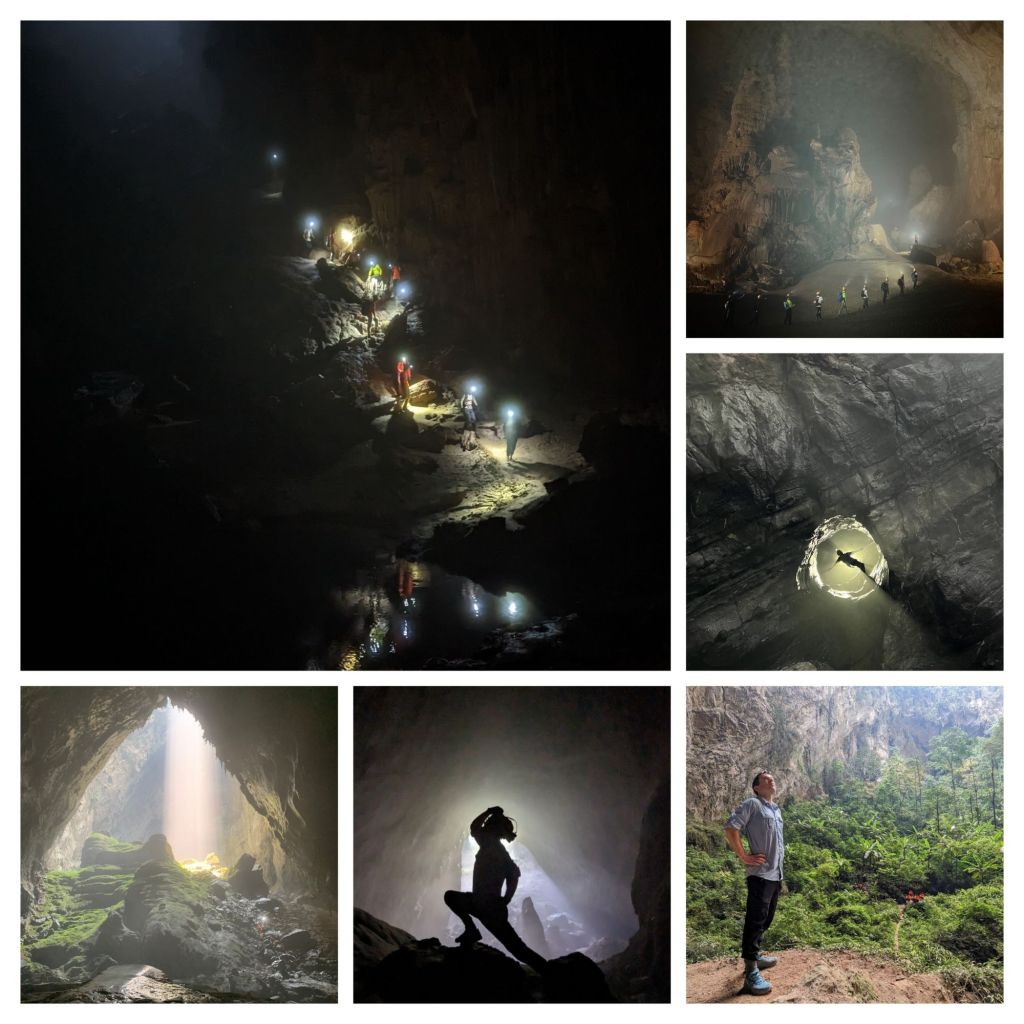
    Since then, challenge became my driving force for adventure. I ventured into the world’s largest cave system in Vietnam, stood in awe among the wildlife of the Galápagos, and let my love of running carry me across the jungles of Borneo with Maverick Races. Each experience chipped away at the old version of me and revealed something new: someone who could endure, adapt, and even thrive in the face of discomfort. So when I heard about the Clipper Round the World Yacht Race — raw ocean, shifting crews, no experience necessary, just guts and grit — I knew. This was the next horizon.

    Then, in July 2024, scrolling through Facebook one evening, I saw an advert for the Clipper Round the World Yacht Race. At first, I wasn’t even sure it was legit (spoiler: it is 😉), but something about it grabbed me — an incredible, wild adventure, completely out of my comfort zone, and exactly the kind of challenge I’d been chasing since Nepal. It spoke to that same raw resilience I’d been learning to trust — the voice inside that says, you’re not done yet.

    There was just one problem: it wasn’t cheap. I had a full-time job and no real obligations outside of it, but still, it felt like a stretch. Then, in November, redundancy came up at work. After 11 years climbing from customer service to management, I didn’t get the kind of payout you dream of — but I got a push. And sometimes, that’s enough. By January 2025, I’d signed up for the Clipper Race. It was happening. I was all in.